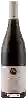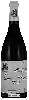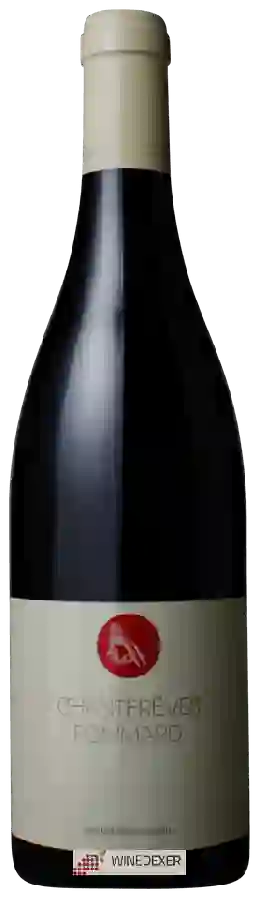
Winery ChanterêvesPommard
 Red wine



In the mouth this red wine is a with a nice freshness.
This wine generally goes well with poultry, beef or veal.

Taste structure of the Pommard from the Winery Chanterêves
Light | Bold | |
Smooth | Tannic | |
Dry | Sweet | |
Soft | Acidic |
In the mouth the Pommard of Winery Chanterêves in the region of Burgundy is a with a nice freshness.
Wine flavors and olphactive analysis


On the nose the Pommard of Winery Chanterêves in the region of Burgundy often reveals types of flavors of earth.
Food and wine pairings with Pommard
Pairings that work perfectly with Pommard



Original food and wine pairings with Pommard

The Pommard of Winery Chanterêves matches generally quite well with dishes of beef, veal or game (deer, venison) such as recipes of sweet and sour turkish dumpling soup (eksili köfte), duck breast with black figs or duck breast with foie gras sauce.
Details and technical informations about Winery Chanterêves's Pommard.
Discover the grape variety: Pinot noir
Elegant reds, light in colour with silky tannins, showing strawberry, cherry and raspberry aromas, evolving to forest floor, mushroom and spice with age. Fresh acidity, delicate finish. Star of the Côte d'Or (Romanée-Conti, Chambertin, Volnay), pillar of Champagne (Blanc de Noirs) and signature of Oregon, Central Otago and Sonoma Coast. An early-ripening Burgundian variety, one of the world's greatest.
Last vintages of this wine
The best vintages of Pommard from Winery Chanterêves are 2015, 2013
Informations about the Winery Chanterêves
The Winery Chanterêves is one of of the world's great estates. It offers 45 wines for sale in the of Pommard to come and discover on site or to buy online.

The wine region of Pommard
Sturdy bastion of the Côte de Beaune: signature Pinot Noir as exclusive king red — deep red with mauve glints, frank and powerful with notes of blackberry, blueberry, redcurrant, concentrated cherry and ripe plum, evolving into leather, pepper and chocolate with age, firm tannins and dense structure. More powerful and tannic than its neighbours (Volnay, Beaune), needing a few years' cellaring. Village AOC (1936) between Beaune and Volnay, rich clay-limestone, 28 Premiers Crus (Rugiens, Épenots).
The wine region of Burgundy
Absolute reference for great terroir wines: opulent, mineral Chardonnay in whites (chiselled Chablis, buttery Meursault, majestic Montrachet), fine and silky Pinot Noir in reds (full-bodied Gevrey, structured Pommard, delicate Volnay). Exceptional age-worthy wines with complex notes - red fruits, undergrowth, butter, hazelnut. Some lively Aligoté and light Gamay (Mâconnais). 29,500 ha, 84 tiered AOCs (Régionale, Village, 1er Cru, Grand Cru), 1,247 UNESCO Climats.
The word of the wine: Performance
Quantity of grapes harvested per hectare. In AOC, the average yield is limited on the proposal of the appellation syndicate, validated by the Inao. The use of high-performance plant material (especially clones) and better control of vine diseases have increased yields. This is not without consequences on the quality of the wines (dilution) and on the state of the market (too much wine). We must not over-simplify: low yields are not synonymous with quality, and it is often in years with generous harvests that we find the greatest vintages (1982 and 1986 in Bordeaux, 1996 in Champagne, 1990 and 2005 in Burgundy...).