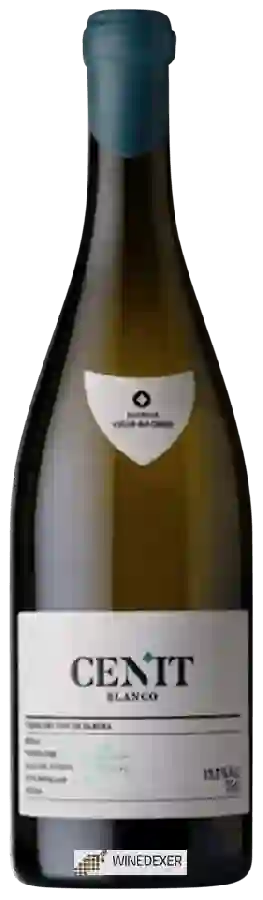
Winery Viñas del CénitBlanco
 wine
wine
This wine generally goes well with
The Blanco of the Winery Viñas del Cénit is in the top 0 of wines of Tierra del Vino de Zamora.

Details and technical informations about Winery Viñas del Cénit's Blanco.
Discover the grape variety: Doux d'Henry
Light, fruity reds with a clear ruby hue, soft tannins and an airy palate, featuring aromas of strawberry, raspberry, cherry and floral notes. Also vinified as a delicate off-dry. One of the last survivors of the historic Pinerolese DOC vineyard, west of Turin, yielding artisanal, character-driven cuvées. Native Piedmontese black variety, preserved for its heritage value.
Last vintages of this wine


The best vintages of Blanco from Winery Viñas del Cénit are 0
Informations about the Winery Viñas del Cénit
The Winery Viñas del Cénit is one of of the world's great estates. It offers 12 wines for sale in the of Tierra del Vino de Zamora to come and discover on site or to buy online.

The wine region of Tierra del Vino de Zamora
DO of Castile and León (promoted 2007) south of Zamora on the north bank of the Duero, old pre-phylloxera vines. Tempranillo is the signature red (≥75%): dense and concentrated with deep notes of blackberry, plum, black cherry, leather, liquorice and a marked mineral touch, firm tannins and generous flesh — more tannic and alcoholic than Rioja, close to neighbouring Toro. Garnacha and Cabernet as complements. Malvasía, Verdejo and Godello for whites.
The wine region of Castille-et-Léon
Cradle of great Castilian reds on high-altitude plateaus (450-1000 m) of the Duero. Tempranillo king (Tinto Fino, Tinta de Toro): powerful, structured reds with notes of black cherry, blackberry, plum, leather and spices, firm tannins and length worthy of long ageing. Stars: Ribera del Duero (Vega Sicilia, Pingus), fleshy Toro, Bierzo (fresh mineral Mencía). Lively herbaceous Verdejo whites from Rueda, cut grass and citrus.
The word of the wine: Dismantling
After devatting, the pomace is removed from the tank. If this operation is carried out manually, it is important to ventilate the vat well to avoid the risk of accidents due to the presence of carbon dioxide.





