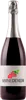
Winery CaviroAnzi Frizzante Secco Lambrusco Emilia
 wine
wine
This wine generally goes well with
The Anzi Frizzante Secco Lambrusco Emilia of the Winery Caviro is in the top 0 of wines of Emilia-Romagna.

Details and technical informations about Winery Caviro's Anzi Frizzante Secco Lambrusco Emilia.
Discover the grape variety: Souzao
Intensely coloured, tangy reds with an almost black deep ruby robe, firm tannins and a dense, high-acidity palate, showing signature aromas of black fruits (blackberry, cassis), black cherry, spice and balsamic notes. A traditional component of vintage Port, contributing colour and acidity, present in dry reds from Douro DOC, also grown in California. The synonym for Portuguese Sousão, identical to Vinhão and Galician Sousón.
Informations about the Winery Caviro
The Winery Caviro is one of of the world's great estates. It offers 19 wines for sale in the of Emilia-Romagna to come and discover on site or to buy online.

The wine region of Emilia-Romagna
Kingdom of Lambrusco: fresh, fruity sparkling reds (blackberry, cherry, violet), from gourmet dry to convivial off-dry, perfect with local charcuterie. World's best-selling sparkling wine on the Emilia side (Sorbara, Grasparossa, Salamino). East, Romagna: supple fruity Sangiovese, Albana (Italy's 1st white DOCG, 1987) ample and almondy. Also red Gutturnio and white Pignoletto.
The word of the wine: Malvasia
Name given locally to various grape varieties, notably pinot gris (Pays nantais) and vermentino (Provence and Corsica).