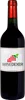
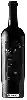
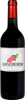
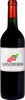
Caves St LeonardMalvoisie
 White wine



This wine generally goes well with

Details and technical informations about Caves St Leonard's Malvoisie.
Discover the grape variety: Bourrisquou
Simple and fresh dry whites, pale golden colour, supple mouth with moderate acidity, with understated aromas of citrus and white flowers. Discreet rustic profile. Almost extinct, preserved in INRAE ampelographic collections. Testifies to the pre-phylloxera ampelographic heritage of the South-West. Rare French white grape formerly grown in the South-West.
Last vintages of this wine
The best vintages of Malvoisie from Caves St Leonard are 2013, 0
Informations about the Caves St Leonard
The Caves St Leonard is one of of the world's greatest estates. It offers 18 wines for sale in the of Valais to come and discover on site or to buy online.

The wine region of Valais
Switzerland's largest vineyard, capital of native grapes. Straight, precise alpine whites: light, floral Chasselas (Fendant), signature Petite Arvine with saline, grapefruit and rhubarb notes, rich, apricoty Amigne, mineral Humagne Blanche. Altitude reds: fine Pinot Noir, crisp Gamay, native Cornalin and Humagne Rouge, spicy and deep. Highly precise alpine age-worthy wines.
The word of the wine: Vaccaresis
Black grape variety, one of the 13 of Châteauneuf-du-Pape, which can be used in a blend in this appellation and other neighbouring AOCs (Côtes-du-Rhône, Gigondas...). It produces a floral, elegant and fresh wine, which balances the warmth of the Grenache. It is rare.