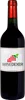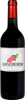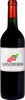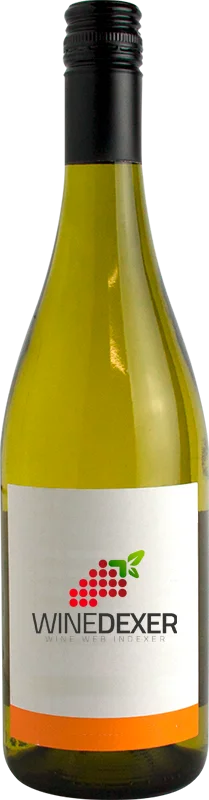
Caves St LeonardHeida
 White wine



This wine generally goes well with

Wine flavors and olphactive analysis

On the nose the Heida of Caves St Leonard in the region of Valais often reveals types of flavors of tree fruit.
Details and technical informations about Caves St Leonard's Heida.
Discover the grape variety: Hibou blanc
Simple, fresh dry whites with a pale golden colour, a supple palate with moderate acidity, and understated aromas of citrus and white flowers. Rustic and discreet profile. Nearly extinct, preserved in INRAE varietal collections; testifies to the pre-phylloxera ampelographic diversity of the South-West and studied for its genetic interest. Rare French white variety, formerly grown in the South-West.
Last vintages of this wine
The best vintages of Heida from Caves St Leonard are 2015, 2019, 2018, 0 and 2017.
Informations about the Caves St Leonard
The Caves St Leonard is one of of the world's greatest estates. It offers 18 wines for sale in the of Valais to come and discover on site or to buy online.

The wine region of Valais
Switzerland's largest vineyard, capital of native grapes. Straight, precise alpine whites: light, floral Chasselas (Fendant), signature Petite Arvine with saline, grapefruit and rhubarb notes, rich, apricoty Amigne, mineral Humagne Blanche. Altitude reds: fine Pinot Noir, crisp Gamay, native Cornalin and Humagne Rouge, spicy and deep. Highly precise alpine age-worthy wines.
The word of the wine: SR
A company of harvesters and handlers who have pooled their equipment (press, vats, etc.).