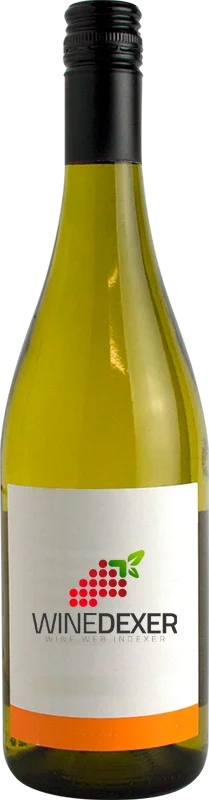
Caves BlavignacGeneve Chardonnay
 White wine
This wine generally goes well with pork, vegetarian or poultry.
Food and wine pairings with Geneve Chardonnay
Pairings that work perfectly with Geneve Chardonnay



Original food and wine pairings with Geneve Chardonnay

The Geneve Chardonnay of Caves Blavignac matches generally quite well with dishes of pork, rich fish (salmon, tuna etc) or vegetarian such as recipes of sausages with kale, croque-monsieur with tuna or quiche without pastry.
Details and technical informations about Caves Blavignac's Geneve Chardonnay.
Discover the grape variety: Chardonnay
The white Chardonnay is a grape variety that originated in France (Burgundy). It produces a variety of grape specially used for wine making. It is rare to find this grape to eat on our tables. This variety of grape is characterized by small bunches, and small grapes. White Chardonnay can be found in many vineyards: South West, Burgundy, Jura, Languedoc & Roussillon, Cognac, Bordeaux, Beaujolais, Savoie & Bugey, Loire Valley, Champagne, Rhone Valley, Armagnac, Lorraine, Alsace, Provence & Corsica.
Informations about the Caves Blavignac
The Caves Blavignac is one of of the world's greatest estates. It offers 4 wines for sale in the of Genève to come and discover on site or to buy online.

The wine region of Genève
Geneva, at the western end of Lac Léman (Lake Geneva), is the second-largest city in Switzerland and the country's third-largest wine producing canton after Valais and Vaud. Although not famously associated with wine, the city and its environs are home to numerous Vineyards and wineries, some within just a few miles of the Center. At 1,400 hectares (3,500 acres), Geneva accounts for 10 percent of the country's vineyard area. Gamay is the predominant variety here, with the Swiss workhorse Chasselas (often labelled "Fendant") and Pinot Noir taking second and third place respectively.
The word of the wine: Bracket
Black grape variety from Provence which contributes to the personality of the red wines of the AOC Bellet, near Nice. It gives a lightly colored but full-bodied wine that is good with age. Syn.: brachet.