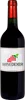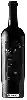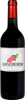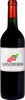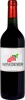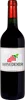
Cave La RomaineL'Emprise
 Red wine


This wine generally goes well with

Details and technical informations about Cave La Romaine's L'Emprise.
Discover the grape variety: Araignan
Simple, fresh whites with a pale golden robe, supple palate with moderate acidity, showing understated citrus and white flower aromas. Discreet rustic Béarnais profile. Now almost extinct, preserved in a few heritage plots of Béarn and studied for its ampelographic and historical interest. White French autochtone variety from the South-West, in Béarn, very rare.
Last vintages of this wine
The best vintages of L'Emprise from Cave La Romaine are 0, 2018
Informations about the Cave La Romaine
The Cave La Romaine is one of of the world's great estates. It offers 44 wines for sale in the of Valais to come and discover on site or to buy online.

The wine region of Valais
Switzerland's largest vineyard, capital of native grapes. Straight, precise alpine whites: light, floral Chasselas (Fendant), signature Petite Arvine with saline, grapefruit and rhubarb notes, rich, apricoty Amigne, mineral Humagne Blanche. Altitude reds: fine Pinot Noir, crisp Gamay, native Cornalin and Humagne Rouge, spicy and deep. Highly precise alpine age-worthy wines.
The word of the wine: Downy mildew
Disease of the vine due to a fungus. Downy mildew is formidable because it attacks all the organs, from the stem to the grapes, including the leaves, in depth. It was against it that the famous copper and lime-based Bordeaux mixture was developed.