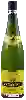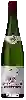
Cave FreudenreichMuscat
 White wine
This wine generally goes well with spicy food and sweet desserts.
Food and wine pairings with Muscat
Pairings that work perfectly with Muscat


Original food and wine pairings with Muscat
The Muscat of Cave Freudenreich matches generally quite well with dishes of spicy food or sweet desserts such as recipes of chakchouka or cheese cake (white cheese cake) inratable.
Details and technical informations about Cave Freudenreich's Muscat.
Discover the grape variety: Gibert
An ancient grape variety found in the Lot department. A.D.N. analyses processed by specific software (U.M.R.-A.G.A.P. Montpellier) have indicated that it is the result of a cross between côt and colombaud. Today, no longer present in the vineyard, it is on the verge of extinction, registered in the Official Catalogue of wine grape varieties, list A1.
Informations about the Cave Freudenreich
The Cave Freudenreich is one of of the world's greatest estates. It offers 5 wines for sale in the of Alsace to come and discover on site or to buy online.

The wine region of Alsace
Alsace, located in the extreme north-east of France, is Distinguished from other French wine regions by its strong Franco-Germanic influences. These influences are the result of a back-and-forth between the German and French sovereignties over the last few centuries. They can be seen not only in the architecture and culture of Alsace, but also in the wines. Alsace wines are produced under three main appellations: Alsace and Alsace Grand Cru for still white wines (Sweet and Dry), and Crémant d'Alsace for Sparkling wines.
The word of the wine: Presses
The juice that results from pressing the grapes after fermentation. At the end of the maceration, the vats are emptied, the first juice obtained is called the free-run wine and the marc remaining at the bottom of the vat is then pressed to give the press wine. We say more quickly "the presses". Their quality varies according to the vintage and the maceration. A too vigorous extraction releases the tannins of pips and the wine of press can then prove to be very astringent. Often the winemaker raises it separately, deciding later whether or not to incorporate it totally or partially into the grand vin.