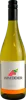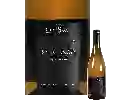
Cave du Haut-PoitouFuturoscope Sauvignon
 White wine
This wine generally goes well with vegetarian, rich fish (salmon, tuna etc) or shellfish.
Food and wine pairings with Futuroscope Sauvignon
Pairings that work perfectly with Futuroscope Sauvignon



Original food and wine pairings with Futuroscope Sauvignon
The Futuroscope Sauvignon of Cave du Haut-Poitou matches generally quite well with dishes of rich fish (salmon, tuna etc), shellfish or vegetarian such as recipes of chinchards with white wine and grapes, paella de marisco (seafood paella) or zucchini and goat cheese quiche.
Details and technical informations about Cave du Haut-Poitou's Futuroscope Sauvignon.
Discover the grape variety: Ruby-cabernet
Intraspecific crossing carried out in 1936 by Doctor Harold Paul Olmo of the University of California in Davis (United States) between the carignan and the cabernet-sauvignon. The first plantings were made in 1948 in the United States (California). Today, it is less and less multiplied, but it can still be found in South Africa, Australia, Argentina, Chile, Uruguay, Yugoslavia, the United States, etc. In France, it is almost unknown.
Informations about the Cave du Haut-Poitou
The Cave du Haut-Poitou is one of of the world's great estates. It offers 24 wines for sale in the of Loire Valley to come and discover on site or to buy online.

The wine region of Loire Valley
The Loire Valley is a key wine region in western France. It follows the course of the Loire River on its Long journey through the heart of France, from the inland hills of the Auvergne to the plains of the French Atlantic coast near Nantes (Muscadet country). Important in terms of quantity and quality, the region produces large quantities (about 4 million h/l each year) of everyday wines, as well as some of France's greatest wines. Diversity is another of the region's major assets; the styles of wine produced here range from the light, tangy Muscadet to the Sweet, honeyed Bonnezeaux, the Sparkling whites of Vouvray and the juicy, Tannic reds of Chinon and Saumur.
The word of the wine: Dismantling
After devatting, the pomace is removed from the tank. If this operation is carried out manually, it is important to ventilate the vat well to avoid the risk of accidents due to the presence of carbon dioxide.