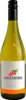
Cave des AmandiersAmigne
 wine
wine
This wine generally goes well with
The Amigne of the Cave des Amandiers is in the top 0 of wines of Valais.
Details and technical informations about Cave des Amandiers's Amigne.
Discover the grape variety: Xinomavro
A very old grape variety grown in Greece and very well known in Central Macedonia. It is most certainly a descendant of white gouais and should not be confused with mavrud or mavroudi. It should be noted that many grape varieties have the synonym mavro. Xinomavro is registered in the Official Catalogue of wine grape varieties, list A1.
Informations about the Cave des Amandiers
The Cave des Amandiers is one of of the world's great estates. It offers 28 wines for sale in the of Valais to come and discover on site or to buy online.

The wine region of Valais
The Valais is the largest wine region and appellation in Switzerland, responsible for around one third of the country's total wine production. The main Vineyard area covers the southeast-facing slopes of the dramatic Rhône river valley as the glacial waters run southwest between Leuk (Loeche in French) and Fully. The river changes direction at Martigny and then runs northwest to exit the valley and empty into Lac Léman (Lake Geneva). Vineyard area here comes to around 4,800 hectares (11,800 acres) and is generally located on (often steep) slopes and terraces between the flat, fertile, Heavy soils at the bottom of the valley - often given over to fruit production, industry and urban development - and the bare rock of the mountainside that towers above.
The word of the wine: Sulphur
An antiseptic and antioxidant substance known since antiquity, probably already used by the Romans. But it was only in modern times that its use was rediscovered. It will allow a better conservation of the wine and thus favour its export. Sulphur also gave the 18th century winegrower the possibility of extending the maceration period without fearing that the wine would turn sour and thus go from dark rosé wines to the red wines of today. Excessive sulphur, on the other hand, kills happiness, paralysing the aromas and causing headaches.