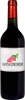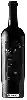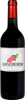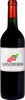
Cave Corbassière SaillonCorbatrium
 wine
wine
This wine generally goes well with
The Corbatrium of the Cave Corbassière Saillon is in the top 0 of wines of Valais.
Details and technical informations about Cave Corbassière Saillon's Corbatrium.
Discover the grape variety: Noah
American, resulting from a natural cross between taylor (Vitis Labrusca x Vitis Riparia) and Vitis Riparia, the seeds of the taylor then sown in 1869 by Otto Wasserzicher in Nauvoo, Illinois. Noah has been used extensively as a progenitor by hybridizers such as Baco, Bertille-Seyve, Castel, Gaillard and Seibel, the best known being baco blanc or baco 22A (folle blanche x Noah). In France, it is one of the six hybrids prohibited since 1935 (included in European regulations): clinton, herbemont, isabelle, jacquez, Noah and othello. Today, it has practically disappeared and can sometimes be found in private homes established in vineyards.
Last vintages of this wine


The best vintages of Corbatrium from Cave Corbassière Saillon are 0
Informations about the Cave Corbassière Saillon
The Cave Corbassière Saillon is one of of the world's greatest estates. It offers 26 wines for sale in the of Valais to come and discover on site or to buy online.

The wine region of Valais
The Valais is the largest wine region and appellation in Switzerland, responsible for around one third of the country's total wine production. The main Vineyard area covers the southeast-facing slopes of the dramatic Rhône river valley as the glacial waters run southwest between Leuk (Loeche in French) and Fully. The river changes direction at Martigny and then runs northwest to exit the valley and empty into Lac Léman (Lake Geneva). Vineyard area here comes to around 4,800 hectares (11,800 acres) and is generally located on (often steep) slopes and terraces between the flat, fertile, Heavy soils at the bottom of the valley - often given over to fruit production, industry and urban development - and the bare rock of the mountainside that towers above.
The word of the wine: Raw
A term whose meaning varies according to the region (terroir or estate), but which everywhere contains the idea of identifying a wine with a specific place of production.