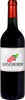
Winery Castro MendiSabor Umami
 wine
wine
This wine generally goes well with
The Sabor Umami of the Winery Castro Mendi is in the top 0 of wines of Tierra del Vino de Zamora.
Details and technical informations about Winery Castro Mendi's Sabor Umami.
Discover the grape variety: Tannat meunier
This grape variety is found in southwestern France. It is a natural mutation of Tannat, so its resemblance is normal and only its very white down differentiates it. It is practically not propagated... another example of such a mutation, meunier or pinot meunier. - Synonymy: no synonym to date (for all the synonyms of grape varieties, click here!).
Informations about the Winery Castro Mendi
The Winery Castro Mendi is one of of the world's greatest estates. It offers 3 wines for sale in the of Tierra del Vino de Zamora to come and discover on site or to buy online.

The wine region of Tierra del Vino de Zamora
The wine region of Tierra del Vino de Zamora is located in the region of Castille-et-Léon of Spain. Wineries and vineyards like the Domaine Alter Ego or the Domaine Viñas del Cénit produce mainly wines red, white and pink. The most planted grape varieties in the region of Tierra del Vino de Zamora are Tempranillo, Verdejo and Cabernet-Sauvignon, they are then used in wines in blends or as a single variety. On the nose of Tierra del Vino de Zamora often reveals types of flavors of microbio, oak or red fruit and sometimes also flavors of earth, citrus fruit or non oak.
The wine region of Castille-et-Léon
Located in the northern half of the Central Iberian plateau, Castilla y León is the largest of Spain's 17 administrative regions, covering about one-fifth of the country's total area. It extends about 350 kilometres (220 miles) from central Spain to the northern coast. Just as wide, it connects the Rioja wine region to the Portuguese border. Red wines reign supreme in Castilla y León, and the Tempranillo grape is undoubtedly the king.
The word of the wine: Presses
The juice that results from pressing the grapes after fermentation. At the end of the maceration, the vats are emptied, the first juice obtained is called the free-run wine and the marc remaining at the bottom of the vat is then pressed to give the press wine. We say more quickly "the presses". Their quality varies according to the vintage and the maceration. A too vigorous extraction releases the tannins of pips and the wine of press can then prove to be very astringent. Often the winemaker raises it separately, deciding later whether or not to incorporate it totally or partially into the grand vin.