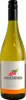
Bodegas Castillo ViejoCataMayor Viognier - Chardonnay
 wine
wine
This wine generally goes well with
The CataMayor Viognier - Chardonnay of the Bodegas Castillo Viejo is in the top 0 of wines of San José.
Details and technical informations about Bodegas Castillo Viejo's CataMayor Viognier - Chardonnay.
Discover the grape variety: Verdesse
Verdesse is a white grape variety, grown on an area of about 5 ha. It is found particularly in the Grésivaudan and Drac valleys. It is also called verdêche, étraire blanche de Grenoble or verdasse. The leaves are lobed and dark green in colour. Long, sturdy stalks carry the bunches. A juicy and sweet flesh is found under the white skin, turning amber red, of the mature berries. The berries are medium-sized and ellipsoid in shape. To be productive and vigorous, the variety is pruned rather long. Verdesse is not very resistant to mildew and powdery mildew, but it is very resistant to grey rot. A particularly alcoholic wine is produced from this variety. It has a pleasant flavour and a vegetal and floral scent. This wine does not keep long, and is best consumed during the first few years.
Informations about the Bodegas Castillo Viejo
The Bodegas Castillo Viejo is one of of the world's great estates. It offers 78 wines for sale in the of San José to come and discover on site or to buy online.

The wine region of San José
San Jose, in South-western Uruguay, is one of the country's 19 administrative departments. Located immediately west of the Uruguayan capital of Montevideo, it enjoys the climatic benefits of its position on the northern banks of the Rio de la Plata estuary. Seventy miles (113km) to the west, at the apex of the vast estuary, is the confluence of the Parana and Uruguay rivers, and just south of that is Buenos Aires, the capital of Argentina. San Jose vineyards produce white wines from a number of international wine Grape varieties including Pinot Blanc (although some authorities have suggested that these vines might in fact be Chenin Blanc), Sauvignon Blanc and Chardonnay.
The word of the wine: Second fermentation
In the making of champagne, fermentation of the base wine to which is added the liqueur de tirage and which takes place in the bottle. This second fermentation produces the carbon dioxide, and therefore the bubbles that make up the effervescence of the wine.