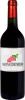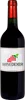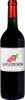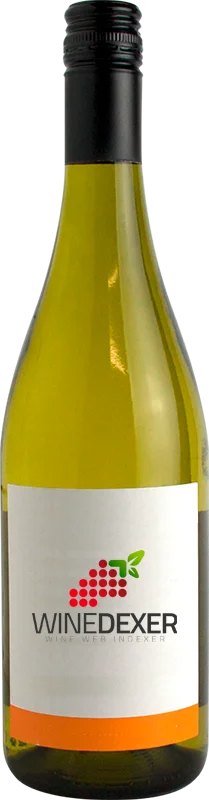
Winery Castillo San CarlosBlanco
 White wine



This wine generally goes well with
Details and technical informations about Winery Castillo San Carlos's Blanco.
Discover the grape variety: Semidano
Cultivated for a very long time in Sardinia (Italy) where it occupied an important place before the phylloxera crisis... it is almost unknown in France.
Last vintages of this wine
The best vintages of Blanco from Winery Castillo San Carlos are 0
Informations about the Winery Castillo San Carlos
The Winery Castillo San Carlos is one of of the world's greatest estates. It offers 5 wines for sale in the of Valdepeñas to come and discover on site or to buy online.

The wine region of Valdepeñas
The wine region of Valdepeñas is located in the region of Castille of Spain. Wineries and vineyards like the Domaine Corrales Espinosa or the Domaine Corcovo - Megía e Hijos produce mainly wines red, white and pink. The most planted grape varieties in the region of Valdepeñas are Tempranillo, Verdejo and Airen, they are then used in wines in blends or as a single variety. On the nose of Valdepeñas often reveals types of flavors of cherry, floral or anise and sometimes also flavors of tomatoes, red currant or white pepper.
The wine region of Castille
Castilla-La Mancha is a large region located South and east of the Spanish capital, Madrid. Inexpensive table wines are produced from a variety of Grapes. Higher quality wines are increasingly available, but the region is traditionally known as a source of low quality bulk wine. More than half of Spain's grapes are grown here.
The word of the wine: Ventilate
Expose the wine to the air before serving, to allow it to open up more, to develop its aromas and to round out its tannins.