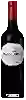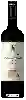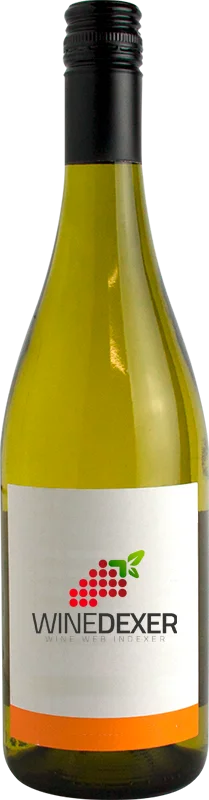
Chateau La CoustarelleMalbec Caroline Parelle
 White wine
This wine generally goes well with poultry, beef or lamb.

Food and wine pairings with Malbec Caroline Parelle
Pairings that work perfectly with Malbec Caroline Parelle



Original food and wine pairings with Malbec Caroline Parelle
The Malbec Caroline Parelle of Chateau La Coustarelle matches generally quite well with dishes of beef, lamb or poultry such as recipes of spanish stew (cocido), sauté of lamb with curry or blue cord.
Details and technical informations about Chateau La Coustarelle's Malbec Caroline Parelle.
Discover the grape variety: Malbec
Deep, velvety reds with an intense purple colour, showing aromas of blackberry, black plum, violet, cocoa and gentle spice. Round tannins, fleshy palate, peppery length. Star of Cahors AOC (Côt, Auxerrois) in France and the absolute signature of Mendoza, Argentina (Uco Valley, Luján de Cuyo). A French South-West variety that became the Argentine emblem after its post-phylloxera decline.
Informations about the Chateau La Coustarelle
The Chateau La Coustarelle is one of of the world's greatest estates. It offers 1 wines for sale in the of Cahors to come and discover on site or to buy online.

The wine region of Cahors
Historic cradle of Malbec, the "black wine" of South-West France: signature Côt (≥70%) reigns in reds — dark-hued with black fruit (blackberry, blackcurrant, blueberry), plum, violet and a liquorice touch, cedar and cocoa on ageing, structured tannins and great cellaring aptitude. Supple Merlot softens, dense Tannat optional. AOC (1971), ~4,000 ha across three alluvial terraces of the Lot and limestone causses, Aquitaine-southern climate, ageing 8-15 years.
The wine region of South West
French mosaic of strong identities south of Bordeaux. Cahors and its Malbec ("black wine"): deep reds with notes of blackberry, plum, violet, tobacco and cocoa, firm tannins. Madiran and its dense, age-worthy Tannat. Jurançon whites: golden sweet (apricot, honey, pineapple) and lively dry from Petit Manseng.
The word of the wine: Thermoregulation
Control of the vinification temperatures (by circulating hot or cold water on the walls of the vats, for example). This is a major step forward, which in particular helps to preserve the freshness of the aromas threatened by excessive temperature rises during fermentation.