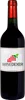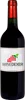
Winery Cascina PianoPrimenebbie
 Red wine



In the mouth this red wine is a powerful with a lot of tannins present in the mouth.
This wine generally goes well with beef, game (deer, venison) or lamb.

Taste structure of the Primenebbie from the Winery Cascina Piano
Light | Bold | |
Smooth | Tannic | |
Dry | Sweet | |
Soft | Acidic |
In the mouth the Primenebbie of Winery Cascina Piano in the region of Lombardia is a powerful with a lot of tannins present in the mouth.
Wine flavors and olphactive analysis




On the nose the Primenebbie of Winery Cascina Piano in the region of Lombardia often reveals types of flavors of non oak, oak or spices.
Food and wine pairings with Primenebbie
Pairings that work perfectly with Primenebbie



Original food and wine pairings with Primenebbie

The Primenebbie of Winery Cascina Piano matches generally quite well with dishes of beef, pasta or lamb such as recipes of homemade italian lasagna, pho soup or thiebou yappe from senegal (rice with lamb).
Details and technical informations about Winery Cascina Piano's Primenebbie.
Discover the grape variety: Nebbiolo
Austere, noble reds, pale in colour and quick to turn garnet, with powerful tannins and high acidity, showing aromas of sour cherry, faded rose, tar, white truffle, leather and balsamic notes with age. Outstanding ageing potential. Absolute star of Piedmont with Barolo DOCG and Barbaresco DOCG, also in Roero, Gattinara, Ghemme and Valtellina (Chiavennasca). A late-ripening Italian variety among the world's greatest.
Last vintages of this wine
The best vintages of Primenebbie from Winery Cascina Piano are 2015, 2013, 0, 2010 and 2011.
Informations about the Winery Cascina Piano
The Winery Cascina Piano is one of of the world's greatest estates. It offers 8 wines for sale in the of Lombardia to come and discover on site or to buy online.

The wine region of Lombardia
Three poles. Franciacorta DOCG, Italy's answer to Champagne: elegant brioche traditional-method sparklers (Chardonnay, Pinot Noir, Pinot Blanc), fine bubble and mineral profile. Alpine Valtellina: Nebbiolo (alias Chiavennasca) with fine tannins and red fruits, powerful Sforzato passito. Oltrepò Pavese: fresh Pinot Noir and fruity-sparkling Bonarda.
The word of the wine: Oenologist
Specialist in wine-making techniques. It is a profession and not a passion: one can be an oenophile without being an oenologist (and the opposite too!). Formerly attached to the Faculty of Pharmacy, oenology studies have become independent and have their own university course. Learning to make wine requires a good chemical background but also, increasingly, a good knowledge of the plant. Some oenologists work in laboratories (analysis). Others, the consulting oenologists, work directly in the properties.