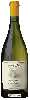
Winery Casale MilliGrechetto
 White wine



In the mouth this white wine is a with a nice freshness.
This wine generally goes well with vegetarian, appetizers and snacks or lean fish.
Taste structure of the Grechetto from the Winery Casale Milli
Light | Bold | |
Dry | Sweet | |
Soft | Acidic |
In the mouth the Grechetto of Winery Casale Milli in the region of Umbria is a with a nice freshness.
Food and wine pairings with Grechetto
Pairings that work perfectly with Grechetto



Original food and wine pairings with Grechetto


The Grechetto of Winery Casale Milli matches generally quite well with dishes of pasta, vegetarian or appetizers and snacks such as recipes of pork filet mignon with foie gras and rosemary, light tuna-tomato quiche (without cream) or verrine of beetroot and lump roe.
Details and technical informations about Winery Casale Milli's Grechetto.
Discover the grape variety: Kernling
Natural mutation of the kerner found in Germany in 1974 by Herrn Ludwig Hochdörffer and put in culture in 1995. Kernling can be found in Germany, Switzerland, England, ... in France it is almost unknown.
Last vintages of this wine
The best vintages of Grechetto from Winery Casale Milli are 2019, 0
Informations about the Winery Casale Milli
The Winery Casale Milli is one of of the world's great estates. It offers 15 wines for sale in the of Umbria to come and discover on site or to buy online.

The wine region of Umbria
Umbria, in CentralItaly, is a region of lush hills, hilltop villages and iconic historic towns. The latter are exemplified by Orvieto and Assisi. At the very heart of the Italian peninsula, it is surrounded by Tuscany, Marche and Lazio. It is in fact the only Italian region without a coastline or international border.
The word of the wine: Sulphur
An antiseptic and antioxidant substance known since antiquity, probably already used by the Romans. But it was only in modern times that its use was rediscovered. It will allow a better conservation of the wine and thus favour its export. Sulphur also gave the 18th century winegrower the possibility of extending the maceration period without fearing that the wine would turn sour and thus go from dark rosé wines to the red wines of today. Excessive sulphur, on the other hand, kills happiness, paralysing the aromas and causing headaches.