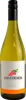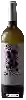
Winery Casal da FonteVale do Abaladiço Branco
 White wine
In the mouth this white wine is a .
This wine generally goes well with pork, lean fish or shellfish.

Taste structure of the Vale do Abaladiço Branco from the Winery Casal da Fonte
Light | Bold | |
Dry | Sweet | |
Soft | Acidic |
In the mouth the Vale do Abaladiço Branco of Winery Casal da Fonte in the region of Tejo is a .
Food and wine pairings with Vale do Abaladiço Branco
Pairings that work perfectly with Vale do Abaladiço Branco



Original food and wine pairings with Vale do Abaladiço Branco

The Vale do Abaladiço Branco of Winery Casal da Fonte matches generally quite well with dishes of pasta, pork or shellfish such as recipes of spaghetti all 'amatriciana, lentils and morteau sausages or seafood, chorizo and chicken paella from patou.
Details and technical informations about Winery Casal da Fonte's Vale do Abaladiço Branco.
Discover the grape variety: Fernao Pires
Aromatic and lively whites with a tender palate and fresh acidity, on intense aromas of white flowers (orange blossom, acacia), citrus, white peach, muscat and spiced notes. Made as dry whites, popular off-dry styles and in sparkling wines from Bairrada. Also called Maria Gomes in Bairrada DOC. Widely grown in Ribatejo, Tejo DOC and Lisboa, one of Portugal's most planted white grapes. Native Portuguese variety.
Informations about the Winery Casal da Fonte
The Winery Casal da Fonte is one of of the world's greatest estates. It offers 6 wines for sale in the of Tejo to come and discover on site or to buy online.

The wine region of Tejo
West-central Portuguese region along the Tagus, formerly Ribatejo, 17,000 ha. Supple, fruity reds with signature notes of plum, cherry, Mediterranean herbs and sweet spices, round tannins and a generous palate - fleshy everyday wines. Flagship Castelão (blackberry, tobacco), concentrated Trincadeira, perfumed Touriga Nacional (violet, black fruits), spicy Tinta Roriz. Whites: floral Fernão Pires and lively citrusy Arinto.
The word of the wine: Premier cru
In Burgundy, third level of classification (above the regional and communal appellations), designating the wines produced on delimited parcels (climats) whose name is added to the communal appellation. The climats classified as first growths are 635.