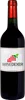
Winery CasadeiArmonia Vendemmia
 Red wine


In the mouth this red wine is a with a nice freshness.
This wine generally goes well with poultry, beef or veal.

Taste structure of the Armonia Vendemmia from the Winery Casadei
Light | Bold | |
Smooth | Tannic | |
Dry | Sweet | |
Soft | Acidic |
In the mouth the Armonia Vendemmia of Winery Casadei in the region of Tuscany is a with a nice freshness.
Food and wine pairings with Armonia Vendemmia
Pairings that work perfectly with Armonia Vendemmia



Original food and wine pairings with Armonia Vendemmia


The Armonia Vendemmia of Winery Casadei matches generally quite well with dishes of beef, lamb or veal such as recipes of roast beef with caramelized onion, lamb garam massala or veal shank in a pot au feu with star anise.
Details and technical informations about Winery Casadei's Armonia Vendemmia.
Discover the grape variety: Chenanson
Supple, fruity reds with intense ruby colour, soft tannins and a generous palate, showing aromas of red fruits (raspberry, cherry), plum, soft spices and Mediterranean notes. Approachable style to drink young. Grown in Languedoc-Roussillon and the south-east for Pays-d'Oc IGP and modern southern blends. French variety created in 1958 in Montpellier by Paul Truel (Grenache × Jurançon noir).
Last vintages of this wine
The best vintages of Armonia Vendemmia from Winery Casadei are 2012, 0
Informations about the Winery Casadei
The Winery Casadei is one of of the world's greatest estates. It offers 12 wines for sale in the of Tuscany to come and discover on site or to buy online.

The wine region of Tuscany
Kingdom of Sangiovese: upright reds with cherry, plum, dried herbs and leather, lively acidity and firm tannins. Fleshy, food-friendly Chianti Classico DOCG, deep long-ageing Brunello di Montalcino (spice, tobacco, ripe black fruit), elegant Vino Nobile di Montepulciano. On the coast, Bolgheri crafts the opulent Cabernet- and Merlot-based 'Super Tuscans'. Some fresh white Vernaccia.
The word of the wine: Tanin
A natural compound contained in the skin of the grape, the seed or the woody part of the bunch, the stalk. The maceration of red wines allows the extraction of tannins, which give the texture, the solidity and also the mellowness when the tannins are "ripe". The winemaker seeks above all to extract the tannins from the skin, the ripest and most noble. The tannins of the seed or stalk, which are "greener", especially in average years, give the wine hardness and astringency. The wines of Bordeaux (based on Cabernet and Merlot) are full of tannins, those of Burgundy much less so, with Pinot Noir containing little.