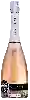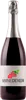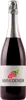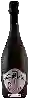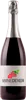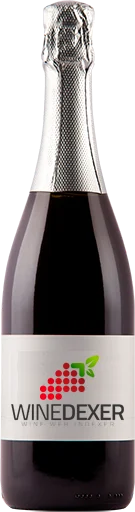
Winery Casa VirginiaSeta Rosé Brut
 Sparkling wine


This wine generally goes well with
The Seta Rosé Brut of the Winery Casa Virginia is in the top 10 of wines of Vino da Tavola.

Details and technical informations about Winery Casa Virginia's Seta Rosé Brut.
Discover the grape variety: Plantet
Colored, fruity reds with an intense ruby robe, smooth tannins and a supple palate, with simple aromas of red fruits (cherry, raspberry), soft spices and hybrid notes. Productive, cold- and disease-resistant profile for early drinking. Now marginal, surviving in a few French heritage plots and varietal collections for its genetic and historical interest. French black hybrid obtained by Albert Seibel (Seibel 5455).
Last vintages of this wine
The best vintages of Seta Rosé Brut from Winery Casa Virginia are 0
Informations about the Winery Casa Virginia
The Winery Casa Virginia is one of of the world's greatest estates. It offers 10 wines for sale in the of Vino da Tavola to come and discover on site or to buy online.

The wine region of Vino da Tavola
The freest category of Italian wine, with no grape or zone constraint. All styles: bold reds based on Bordeaux grapes (Cabernet, Merlot), atypical blends, maker's cuvées outside DOC rules. Historic cradle of the "Super Tuscans" in the 1960s-80s (Sassicaia, Tignanello, Ornellaia) before the creation of IGT in 1992. Today dedicated to everyday wines or winemaker experiments.
The word of the wine: Mutage
The act of adding alcohol to a fresh grape must or to a fermenting must.