Winery Casa Vinicola MorandoMoscato Spumante
 Sparkling wine


This wine generally goes well with sweet desserts

Food and wine pairings with Moscato Spumante
Pairings that work perfectly with Moscato Spumante

Original food and wine pairings with Moscato Spumante
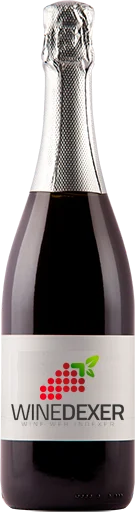
The Moscato Spumante of Winery Casa Vinicola Morando matches generally quite well with dishes of sweet desserts such as recipes of express cherry clafoutis.
Details and technical informations about Winery Casa Vinicola Morando's Moscato Spumante.
Discover the grape variety: Ripolo
Structured, aromatic dry whites with a pale golden colour and a broad, crisp palate; signature aromas of white-fleshed fruits (pear, peach), white flowers and saline, iodine-tinged marine notes. Heroic Amalfi profile. Part of the heroic viticultural identity of the Amalfi coast terraces, representing a rare and confidential Campanian heritage. Indigenous Italian white grape from Campania, grown in very small quantities.
Last vintages of this wine
The best vintages of Moscato Spumante from Winery Casa Vinicola Morando are 0
Informations about the Winery Casa Vinicola Morando
The Winery Casa Vinicola Morando is one of of the world's greatest estates. It offers 95 wines for sale in the of Piedmont to come and discover on site or to buy online.

The wine region of Piedmont
Kingdom of Nebbiolo: Barolo and Barbaresco DOCG, long-ageing reds with firm tannins and lively acidity, complex aromas of withered rose, sour cherry, tar, truffle and undergrowth. More accessible, tangy Barbera on red fruit, supple, crisp Dolcetto. Sweet, floral sparkling Moscato d'Asti, mineral, lemony Gavi (Cortese) white, round, almondy Arneis from Roero. 50,000 ha across the Langhe, Roero and Monferrato, UNESCO.
The word of the wine: Oxidative (breeding)
A method of ageing which aims to give the wine certain aromas of evolution (dried fruit, bitter orange, coffee, rancio, etc.) by exposing it to the air; it is then matured either in barrels, demi-muids or unoaked casks, sometimes stored in the open air, or in barrels exposed to the sun and to temperature variations. This type of maturation characterizes certain natural sweet wines, ports and other liqueur wines.