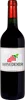
Winery Casa Vinicola Morando1880 Barbera d'Asti
 wine
wine
This wine generally goes well with
The 1880 Barbera d'Asti of the Winery Casa Vinicola Morando is in the top 0 of wines of Barbera d'Asti.

Details and technical informations about Winery Casa Vinicola Morando's 1880 Barbera d'Asti.
Discover the grape variety: Vinhão
Intensely coloured and lively reds for drinking young, with a deep, near-black purple colour, firm tannins, a nervous palate, and signature aromas of black fruits (blackberry, blackcurrant), spices and fresh inky notes. Very acidic and highly coloured, sometimes slightly pétillant. Star of the Vinho Verde tinto DOC (Basto sub-region), signature aromatic variety of the red Minho green wines. Native Portuguese black variety, identical to Sousão and Galician Sousón.
Informations about the Winery Casa Vinicola Morando
The Winery Casa Vinicola Morando is one of of the world's great estates. It offers 95 wines for sale in the of Barbera d'Asti to come and discover on site or to buy online.

The wine region of Barbera d'Asti
Apogee of Piedmont Barbera: a gourmet, vibrant red with signature notes of ripe cherry, raspberry, plum and violet, characteristic fresh acidity and supple tannins that make it immediately drinkable. A direct, everyday Italian style, perfect with charcuterie and pasta. Fleshier Superiore versions (14 months ageing) with liquorice and dark chocolate notes, and Nizza DOCG at the summit. 6,000 ha of clay-limestone hills between Asti and Alessandria.
The wine region of Piedmont
Kingdom of Nebbiolo: Barolo and Barbaresco DOCG, long-ageing reds with firm tannins and lively acidity, complex aromas of withered rose, sour cherry, tar, truffle and undergrowth. More accessible, tangy Barbera on red fruit, supple, crisp Dolcetto. Sweet, floral sparkling Moscato d'Asti, mineral, lemony Gavi (Cortese) white, round, almondy Arneis from Roero. 50,000 ha across the Langhe, Roero and Monferrato, UNESCO.
The word of the wine: Vinification of sweet wines
Moelleux and liquoreux wines are characterized by the presence of residual sugars (natural sugar of the grape), not transformed into alcohol under the effect of yeasts. The fermentation is stopped by cold and by the addition of sulphur dioxide (sulphur).