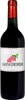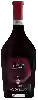
Winery Casa Vinicola Cellamare - CodoroBarbera Oltrepò Pavese
 wine
wine
This wine generally goes well with
The Barbera Oltrepò Pavese of the Winery Casa Vinicola Cellamare - Codoro is in the top 0 of wines of Oltrepò Pavese.

Details and technical informations about Winery Casa Vinicola Cellamare - Codoro's Barbera Oltrepò Pavese.
Discover the grape variety: Listan Negro
Light, fruity reds with a clear ruby colour, silky tannins and supple palate, showing signature aromas of red fruits (cherry, raspberry, strawberry), Mediterranean herbs, gentle spices and smoky volcanic notes. Airy island profile, best drunk young or with short ageing. Star of the Tacoronte-Acentejo DO and Ycoden-Daute-Isora DO appellations, defining the red wines of the Canary Islands. Native black variety of the Spanish Canary Islands (Tenerife, La Palma).
Informations about the Winery Casa Vinicola Cellamare - Codoro
The Winery Casa Vinicola Cellamare - Codoro is one of of the world's great estates. It offers 25 wines for sale in the of Oltrepò Pavese to come and discover on site or to buy online.

The wine region of Oltrepò Pavese
Little-known Lombardy, home of Italian Pinot Nero (3rd largest area worldwide). Refined Metodo Classico DOCG sparklers: fine bubbles with notes of apple, citrus, brioche and almond, taut finish. Also still red versions: fleshy Pinot Nero (cherry, undergrowth), fruity, slightly fizzy Bonarda, lively Croatina and bright Barbera. Mineral Riesling, sweet, musky Moscato in whites.
The wine region of Lombardia
Three poles. Franciacorta DOCG, Italy's answer to Champagne: elegant brioche traditional-method sparklers (Chardonnay, Pinot Noir, Pinot Blanc), fine bubble and mineral profile. Alpine Valtellina: Nebbiolo (alias Chiavennasca) with fine tannins and red fruits, powerful Sforzato passito. Oltrepò Pavese: fresh Pinot Noir and fruity-sparkling Bonarda.
The word of the wine: Disgorging (champagne)
This is the evacuation of the deposit formed by the yeasts during the second fermentation in the bottle, by opening the bottle. The missing volume is completed with the liqueur de dosage - a mixture of wine and cane sugar - before the final cork is placed. For some years now, some producers have been replacing this sugar with rectified concentrated musts (concentrated grape juice) which give excellent results. A too recent dosage (less than three months) harms the gustatory harmony of the champagne.