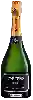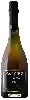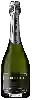
Winery Casa GilioliSol & Lua Labrusca Branco Frizzante
 Sparkling wine


In the mouth this sparkling wine is a with a nice freshness.
This wine generally goes well with pork, rich fish (salmon, tuna etc) or shellfish.

Taste structure of the Sol & Lua Labrusca Branco Frizzante from the Winery Casa Gilioli
Light | Bold | |
Soft | Acidic | |
Gentle | Fizzy |
In the mouth the Sol & Lua Labrusca Branco Frizzante of Winery Casa Gilioli in the region of Rio Grande do Sul is a with a nice freshness.
Food and wine pairings with Sol & Lua Labrusca Branco Frizzante
Pairings that work perfectly with Sol & Lua Labrusca Branco Frizzante



Original food and wine pairings with Sol & Lua Labrusca Branco Frizzante
The Sol & Lua Labrusca Branco Frizzante of Winery Casa Gilioli matches generally quite well with dishes of pork, rich fish (salmon, tuna etc) or shellfish such as recipes of white cabbage with bacon, mexican salad with spicy dressing or creamy risotto with scallops.
Details and technical informations about Winery Casa Gilioli's Sol & Lua Labrusca Branco Frizzante.
Discover the grape variety: Valensi
Light, simply fruity reds with a pale ruby colour, soft tannins and a light palate with moderate acidity, featuring understated aromas of red fruits. Discreet Provençal profile. Nearly extinct, preserved in INRAE varietal collections for its heritage value; it bears witness to the pre-phylloxera ampelographic diversity of southern France and is among the patrimonial varieties under study. Rare French black variety, once grown in Provence.
Last vintages of this wine
The best vintages of Sol & Lua Labrusca Branco Frizzante from Winery Casa Gilioli are 0
Informations about the Winery Casa Gilioli
The Winery Casa Gilioli is one of of the world's greatest estates. It offers 6 wines for sale in the of Serra Gaúcha to come and discover on site or to buy online.

The wine region of Serra Gaúcha
Brazil's wine capital, Rio Grande do Sul. Specialty: high-quality traditional-method sparklers, fine and fruity (apple, citrus, white flowers), elegant bubble, alpine expression of the south. Still wines mostly European: round fruity Merlot, firm Cabernet Sauvignon, more tannic Tannat, fresh Chardonnay, supple Riesling Italico, fine Pinot Noir. Marked by Italian immigration in 1875, humid climate tempered by altitude.
The wine region of Rio Grande do Sul
Brazil's winemaking heart (~80% of production), Italian tradition. Recognised specialty: traditional-method sparkling wines (espumantes), fresh and fruity, based on Chardonnay and Pinot Noir, among South America's finest. Accessible reds: supple, fruity Merlot (plum, cherry), fleshy Cabernet Sauvignon, dense, tannic Tannat. Round Chardonnay, light Riesling Italico, sweet, floral Moscato whites.
The word of the wine: Tartar (deposit)
White, chalky deposits that occur as a result of precipitation inside bottles and are often considered by consumers as a defect. They are in fact tartaric salts formed by tartaric acid, potassium and calcium naturally present in the wine. This deposit does not alter the quality of the wine and can be eliminated by a simple decanting.