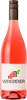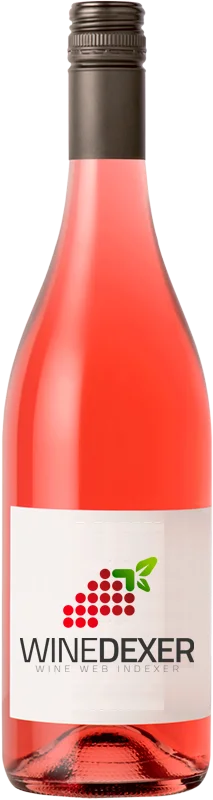
Winery CarrascalejoMonastrell Rosado
 Pink wine


This wine generally goes well with
The Monastrell Rosado of the Winery Carrascalejo is in the top 80 of wines of Bullas.
Details and technical informations about Winery Carrascalejo's Monastrell Rosado.
Discover the grape variety: Narince
This grape variety is native to Turkey, where it is very well known and highly appreciated. In this country, it is very often grown at high altitudes. It is believed to be the result of a natural intraspecific cross between Dimrit Kara and Kalecik Karasi. Almost unknown in France, it is no more so in other wine-producing countries.
Last vintages of this wine
The best vintages of Monastrell Rosado from Winery Carrascalejo are 0
Informations about the Winery Carrascalejo
The Winery Carrascalejo is one of of the world's greatest estates. It offers 4 wines for sale in the of Bullas to come and discover on site or to buy online.

The wine region of Bullas
The wine region of Bullas is located in the region of Murcie of Spain. Wineries and vineyards like the Domaine Bodegas del Rosario or the Domaine Lavia produce mainly wines red, white and pink. The most planted grape varieties in the region of Bullas are Tempranillo, Cabernet-Sauvignon and Petit Verdot, they are then used in wines in blends or as a single variety. On the nose of Bullas often reveals types of flavors of apples, toasty or dark chocolate and sometimes also flavors of raspberry, cranberry or pepper.
The wine region of Murcie
Murcia is one of the smallest and least known regions in Spain. Nestled in the extreme Southeast of the country, it is bordered by Andalusia to the west, Castilla-La Mancha to the North, Valencia to the east and the Mediterranean Sea to the south. This small administrative region consists of a single province and an administrative centre that share the same name. As far as wine is concerned, Murcia has three designations of origin.
The word of the wine: Muscat blanc à petits grains
A white grape variety cultivated since antiquity on the shores of the Mediterranean, it is considered the noblest of the muscats. It is mainly used to make sweet wines, often from mutage. In France, it is the sole variety used in many natural sweet wines: muscat-de-frontignan, muscat-de-mireval, muscat-de-lunel, muscat-de-saint-jean-de-minervois, muscat-de-beaumes-de-venise, muscat-du-cap-corse. Combined with Muscat d'Alexandrie, it gives Muscat-de-Rivesaltes. It is also used to make sparkling white wines (clairette-de-die; moscato d'asti and asti spumante in Italy) and dry wines (alsace-muscat). Powerfully aromatic and complex, its wines evoke fresh grapes, roses, exotic fruits, citrus fruits and spices.