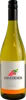
Winery Cape WineFat Fig Sauvignon Blanc
 White wine


In the mouth this white wine is a with a nice freshness.
This wine generally goes well with vegetarian, shellfish or goat cheese.

Taste structure of the Fat Fig Sauvignon Blanc from the Winery Cape Wine
Light | Bold | |
Dry | Sweet | |
Soft | Acidic |
In the mouth the Fat Fig Sauvignon Blanc of Winery Cape Wine in the region of Western Cape is a with a nice freshness.
Food and wine pairings with Fat Fig Sauvignon Blanc
Pairings that work perfectly with Fat Fig Sauvignon Blanc



Original food and wine pairings with Fat Fig Sauvignon Blanc
The Fat Fig Sauvignon Blanc of Winery Cape Wine matches generally quite well with dishes of shellfish, vegetarian or goat cheese such as recipes of cataplana with seafood, zucchini and goat cheese quiche or fillet of trout with tapenade and goat cheese.
Details and technical informations about Winery Cape Wine's Fat Fig Sauvignon Blanc.
Discover the grape variety: Oliver Irsay
Aromatic, fine whites best enjoyed young, with a pale golden robe, an airy palate with moderate acidity, and signature aromas of muscat, rose, peach, lychee and delicate floral notes. Early-ripening aromatic profile. Grown in Hungary, Slovakia and the Czech Republic for accessible dry and off-dry aromatic wines. Hungarian white grape obtained in 1930 by Pál Kocsis (Pozsonyi fehér × Pearl of Csaba).
Last vintages of this wine
The best vintages of Fat Fig Sauvignon Blanc from Winery Cape Wine are 0
Informations about the Winery Cape Wine
The Winery Cape Wine is one of of the world's greatest estates. It offers 9 wines for sale in the of Western Cape to come and discover on site or to buy online.

The wine region of Western Cape
Cradle of South African wine. Signature Chenin Blanc (Steen, 20%) in ample, fresh whites with notes of quince, yellow apple, honey and acacia flower, from crisp dry to sweet. Sharp, iodised Sauvignon Blanc (Walker Bay, Constantia), balanced Chardonnay. Reds: emblematic Pinotage with roasted aromas (coffee, plum, smoke), firm Cabernet Sauvignon, spicy Syrah.
The word of the wine: Short
Said of a wine that leaves little trace in the mouth after tasting (also called "short in the mouth").