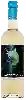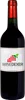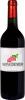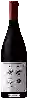
Winery Cape MarlinCape Red
 Red wine


This wine generally goes well with beef, lamb or mature and hard cheese.
The Cape Red of the Winery Cape Marlin is in the top 50 of wines of Western Cape.

Food and wine pairings with Cape Red
Pairings that work perfectly with Cape Red



Original food and wine pairings with Cape Red

The Cape Red of Winery Cape Marlin matches generally quite well with dishes of beef, lamb or spicy food such as recipes of beef bobotie, lamb roast with lavender or couscous from the sea.
Details and technical informations about Winery Cape Marlin's Cape Red.
Discover the grape variety: Maraština
Structured, rich dry whites with a pale golden colour, a broad palate and moderate acidity; signature aromas of almond, yellow fruits (pear, quince), white flowers (acacia) and saline Dalmatian marine notes. Also made into sweet Prošek with dried fruits and honey. Thrives on the calcareous coastal terroirs of the Adriatic in Dalmatia. Indigenous Croatian white grape from Dalmatia, identical to Italian Rukatac.
Last vintages of this wine
The best vintages of Cape Red from Winery Cape Marlin are 0
Informations about the Winery Cape Marlin
The Winery Cape Marlin is one of of the world's greatest estates. It offers 4 wines for sale in the of Western Cape to come and discover on site or to buy online.

The wine region of Western Cape
Cradle of South African wine. Signature Chenin Blanc (Steen, 20%) in ample, fresh whites with notes of quince, yellow apple, honey and acacia flower, from crisp dry to sweet. Sharp, iodised Sauvignon Blanc (Walker Bay, Constantia), balanced Chardonnay. Reds: emblematic Pinotage with roasted aromas (coffee, plum, smoke), firm Cabernet Sauvignon, spicy Syrah.
The word of the wine: Bitter
Normal for certain young red wines rich in tannin, bitterness is in other cases a defect due to a bacterial disease.