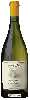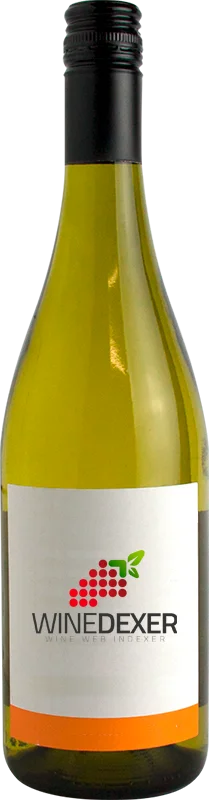
Winery Cantina BettalungaRigaldo Umbria Grechetto
 White wine



In the mouth this white wine is a with a nice freshness.
This wine generally goes well with vegetarian, appetizers and snacks or lean fish.

Taste structure of the Rigaldo Umbria Grechetto from the Winery Cantina Bettalunga
Light | Bold | |
Dry | Sweet | |
Soft | Acidic |
In the mouth the Rigaldo Umbria Grechetto of Winery Cantina Bettalunga in the region of Umbria is a with a nice freshness.
Food and wine pairings with Rigaldo Umbria Grechetto
Pairings that work perfectly with Rigaldo Umbria Grechetto



Original food and wine pairings with Rigaldo Umbria Grechetto


The Rigaldo Umbria Grechetto of Winery Cantina Bettalunga matches generally quite well with dishes of pasta, vegetarian or appetizers and snacks such as recipes of macaroni and angel hair gratin, leek, goat cheese and bacon quiche or pizza-style appetizer croissants.
Details and technical informations about Winery Cantina Bettalunga's Rigaldo Umbria Grechetto.
Discover the grape variety: Kernling
Aromatic, structured whites and pale rosés with a pinkish-skinned robe, a supple palate with preserved acidity. Signature muscat-style aromas, white flowers and yellow fruits inherited from the Kerner. Productive and early ripening. Grown on small surfaces in Germany (Württemberg) in blended white and rosé cuvées. A grey German variety, a reddish-skinned mutation of the Kerner, obtained at Weinsberg.
Last vintages of this wine
The best vintages of Rigaldo Umbria Grechetto from Winery Cantina Bettalunga are 0
Informations about the Winery Cantina Bettalunga
The Winery Cantina Bettalunga is one of of the world's greatest estates. It offers 5 wines for sale in the of Umbria to come and discover on site or to buy online.

The wine region of Umbria
"Green heart" of Italy, cradle of Sagrantino: exceptional tannic red in Sagrantino di Montefalco DOCG, dense and concentrated with notes of blackberry, candied plum, liquorice, spice and leather, powerful tannins and long ageing. Suppler Sangiovese in blends, Cabernet and Merlot in Torgiano DOCG. Orvieto whites based on Grechetto and Trebbiano, full and almondy, from dry to sweet Muffato. ~13,000 ha between Tuscany and Lazio.
The word of the wine: Pommadé
Said of a wine that is unbalanced, pasty, syrupy, and whose excessive sugar content gives an impression of heaviness.