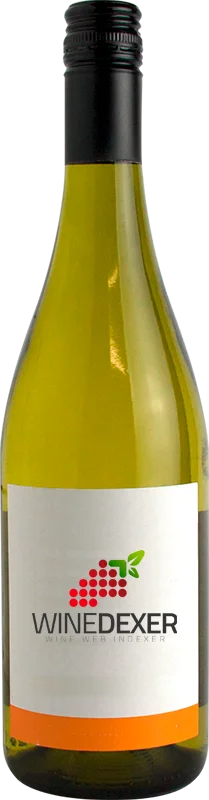
Winery Can MajoralButibalausi Blanc
 White wine



This wine generally goes well with pork, vegetarian or poultry.

Food and wine pairings with Butibalausi Blanc
Pairings that work perfectly with Butibalausi Blanc



Original food and wine pairings with Butibalausi Blanc

The Butibalausi Blanc of Winery Can Majoral matches generally quite well with dishes of pork, rich fish (salmon, tuna etc) or vegetarian such as recipes of beef bourguignon with cookéo, tuna lasagna or spinach and goat cheese quiche.
Details and technical informations about Winery Can Majoral's Butibalausi Blanc.
Discover the grape variety: Chardonnay
Whites with many faces: mineral and taut at Chablis (lemon, green apple, flint), opulent and buttery at Meursault and Puligny-Montrachet (hazelnut, brioche, yellow fruits), tense and chalky in Champagne (Blanc de Blancs). Also vinified sparkling and widely exported (Sonoma, Margaret River, Casablanca). A Burgundian variety, a cross of Pinot Noir × Gouais Blanc, half-sibling of Aligoté.
Last vintages of this wine
The best vintages of Butibalausi Blanc from Winery Can Majoral are 2017, 2015, 2013, 2018 and 0.
Informations about the Winery Can Majoral
The Winery Can Majoral is one of of the world's greatest estates. It offers 17 wines for sale in the of Plà i Llevant to come and discover on site or to buy online.

The wine region of Plà i Llevant
Mallorcan DO southeast of the island (1999, ~497 ha, 13 wineries): Callet, Manto Negro, Fogoneu and Gorgollassa indigenous signature reds complemented by Cabernet Sauvignon, Merlot, Monastrell, Syrah and Tempranillo — profile with cream, tobacco, strawberry, cherry, lemon and vanilla. Premsal Blanc, Giro Ros, Moscatel, Chardonnay and Viognier in whites. Mediterranean climate with very hot summers (450 mm), vines at <100 m, valorisation of indigenous varieties.
The wine region of Iles Baléares
Spanish Mediterranean archipelago (Majorca, Minorca, Ibiza), warm insular climate, limestone soils. Manto Negro (Majorca, 320 ha, native): supple and silky with red cherry, raspberry, plum, Mediterranean herbs and spicy hint, fine tannins and moderate alcohol. Round and fragrant Callet (native) solo or blended (young and rosé). Cabernet and Merlot for ageing cuvées.
The word of the wine: Musky
Said of an odor reminiscent of musk.