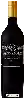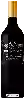
Winery Campo di MarzoSangiovese
 Red wine



In the mouth this red wine is a powerful.
This wine generally goes well with beef, lamb or pasta.

Taste structure of the Sangiovese from the Winery Campo di Marzo
Light | Bold | |
Smooth | Tannic | |
Dry | Sweet | |
Soft | Acidic |
In the mouth the Sangiovese of Winery Campo di Marzo in the region of Puglia is a powerful.
Food and wine pairings with Sangiovese
Pairings that work perfectly with Sangiovese



Original food and wine pairings with Sangiovese
The Sangiovese of Winery Campo di Marzo matches generally quite well with dishes of beef, pasta or lamb such as recipes of piglet shoulder with melting baked apples, tuscan linguine or irish stew with beer.
Details and technical informations about Winery Campo di Marzo's Sangiovese.
Discover the grape variety: Sangiovese
Firm, upright reds with precise acidity and angular tannins, showing aromas of sour cherry, plum, dried herbs, leather, black tea and balsamic notes. Characteristically bitter, savoury finish. Star of Chianti Classico DOCG, Brunello di Montalcino DOCG, Vino Nobile di Montepulciano DOCG and Morellino di Scansano. Italy's most planted variety, a descendant of Ciliegiolo × Calabrese di Montenuovo.
Last vintages of this wine
The best vintages of Sangiovese from Winery Campo di Marzo are 0, 2018, 2017
Informations about the Winery Campo di Marzo
The Winery Campo di Marzo is one of of the world's greatest estates. It offers 10 wines for sale in the of Puglia to come and discover on site or to buy online.

The wine region of Puglia
Heel of the boot, 80% red vineyard, sunny and generous. Fleshy, jammy Primitivo (= Zinfandel) with notes of black cherry, plum, chocolate and spices, powerful alcohol and melted tannins, a star in Primitivo di Manduria. Deep, structured Negroamaro (black-bitter) with a bitter finish in Salice Salentino. Structured Nero di Troia, spicy Susumaniello.
The word of the wine: Noble rot
A fungus called botrytis cinerea that develops during the over-ripening phase, an ally of great sweet white wines, when it concentrates the juice of the berries. It requires the humidity of morning fogs and beautiful sunny days, gives musts very rich in sugar and brings to the wines the famous taste of "roasted".