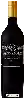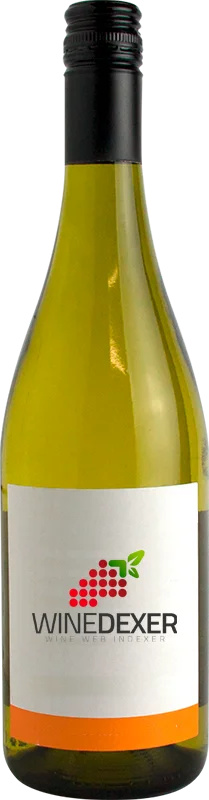
Winery Campo di MarzoBianco
 White wine


In the mouth this white wine is a powerful.
This wine generally goes well with vegetarian, appetizers and snacks or shellfish.

Taste structure of the Bianco from the Winery Campo di Marzo
Light | Bold | |
Dry | Sweet | |
Soft | Acidic |
In the mouth the Bianco of Winery Campo di Marzo in the region of Sicily is a powerful.
Food and wine pairings with Bianco
Pairings that work perfectly with Bianco



Original food and wine pairings with Bianco
The Bianco of Winery Campo di Marzo matches generally quite well with dishes of shellfish, vegetarian or appetizers and snacks such as recipes of rice with shrimps and onions, light tuna-tomato quiche (without cream) or bruschetta with mozzarella.
Details and technical informations about Winery Campo di Marzo's Bianco.
Discover the grape variety: Zibibbo
Intensely perfumed, raisined aromatic whites with an amber-golden robe, a luscious to liqueur palate, showing powerful signature aromas of muscat, dried fruits (fig, dried apricot, raisin), flowers (orange blossom), honey and spices. The undisputed star of Moscato di Pantelleria DOC as passito, the typical expression of heroic island viticulture. The Italian synonym for Muscat d'Alexandrie grown in Sicily, particularly on the island of Pantelleria.
Last vintages of this wine

The best vintages of Bianco from Winery Campo di Marzo are 2015, 0
Informations about the Winery Campo di Marzo
The Winery Campo di Marzo is one of of the world's greatest estates. It offers 10 wines for sale in the of Sicily to come and discover on site or to buy online.

The wine region of Sicily
Major qualitative renewal. Sunny, expressive reds: fleshy, spicy Nero d'Avola (black cherry, blackberry, liquorice), fine, mineral Nerello Mascalese on Etna (recalls Pinot Noir), light, crisp Frappato in Cerasuolo di Vittoria DOCG. Lively, saline whites: Catarratto, fat, iodised Grillo, taut Carricante, floral Inzolia. Amber, walnutty fortified Marsala.
The word of the wine: Hat
Solid part (marc), composed of pips and skins (sometimes of the stalk), which forms at the top of the tank during fermentation. The pigeage consists in breaking this cap to put back in suspension these elements and to favour the exchanges between the juice and the skins.