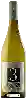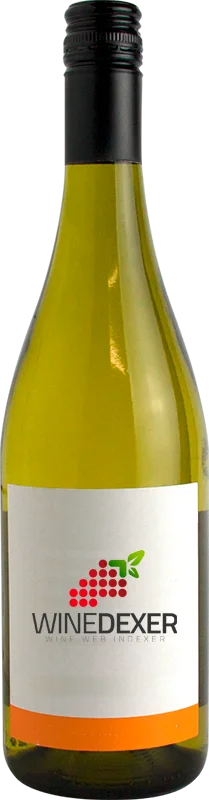
Winery CampanteCoto de Ibedo Blanco
 White wine


This wine generally goes well with

Wine flavors and olphactive analysis




On the nose the Coto de Ibedo Blanco of Winery Campante in the region of Galice often reveals types of flavors of earth, microbio or tree fruit and sometimes also flavors of citrus fruit, tropical fruit.
Discover the grape variety: Loureiro
Lively, highly aromatic whites with tonic acidity and a slender mouth, featuring intense aromas of white flowers (bay, acacia, orange blossom), citrus, white peach, white flesh fruits and Atlantic saline notes. Fresh, refreshing finish. Star of Vinho Verde DOC from Minho (Portugal) in blends with Alvarinho and Trajadura, and signature of Rías Baixas DO in Galicia. Native grape of the northwest Iberian peninsula, its name evokes the bay laurel (loureiro).
Last vintages of this wine

The best vintages of Coto de Ibedo Blanco from Winery Campante are 2019, 2018, 2016, 2011 and 2017.
Informations about the Winery Campante
The Winery Campante is one of of the world's greatest estates. It offers 30 wines for sale in the of Ribeiro to come and discover on site or to buy online.

The wine region of Ribeiro
Ancestral Galician DO of north-west Spain, humid oceanic climate and granite soils (~2,500 ha). Mostly lively and elegant whites. Native Treixadura signature with signature notes of white apple, pear, white flowers, citrus, fresh herbs and a mineral touch, fruity and long palate. Often blended with taut Godello, saline Albariño, floral Loureira, Torrontés.
The wine region of Galice
Oceanic northwest Spain, cradle of the great Iberian whites. Signature Albarino of Rias Baixas: lively, saline whites with signature notes of citrus, white peach, white flowers, fresh almond and iodine minerality, a taut palate — a perfect match for Atlantic seafood. Also premium Godello (pear, citrus, butter), aromatic Treixadura. Supple Mencia reds (raspberry, herbs, graphite).
The word of the wine: Oxidative (breeding)
A method of ageing which aims to give the wine certain aromas of evolution (dried fruit, bitter orange, coffee, rancio, etc.) by exposing it to the air; it is then matured either in barrels, demi-muids or unoaked casks, sometimes stored in the open air, or in barrels exposed to the sun and to temperature variations. This type of maturation characterizes certain natural sweet wines, ports and other liqueur wines.