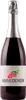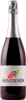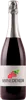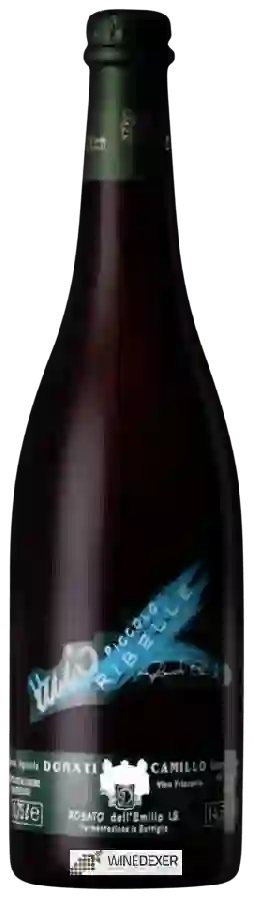
Winery Camillo DonatiIl Mio Ribelle Rosato
 Sparkling wine


This wine generally goes well with pork, poultry or mild and soft cheese.

Wine flavors and olphactive analysis





On the nose the Il Mio Ribelle Rosato of Winery Camillo Donati in the region of Emilia-Romagna often reveals types of flavors of earth, citrus fruit or red fruit.
Food and wine pairings with Il Mio Ribelle Rosato
Pairings that work perfectly with Il Mio Ribelle Rosato



Original food and wine pairings with Il Mio Ribelle Rosato

The Il Mio Ribelle Rosato of Winery Camillo Donati matches generally quite well with dishes of pork, spicy food or poultry such as recipes of mushroom, bacon and gruyere quiche, rib steak, tomato sauce, peppers. or homemade meat/goat ravioli.
Details and technical informations about Winery Camillo Donati's Il Mio Ribelle Rosato.
Discover the grape variety: Camarate
Lively, aromatic dry whites with a pale golden colour, a slender palate and preserved acidity, showing signature aromas of citrus (lemon), green apple, white flowers and discreet floral notes. Refreshing, early-ripening profile to drink young. Often blended with Rabigato and Garrido, contributing to the character of Douro whites and Portuguese sweet wines. Portuguese white variety grown in the Douro Valley and Lisbon region, with very early ripening.
Last vintages of this wine
The best vintages of Il Mio Ribelle Rosato from Winery Camillo Donati are 2019, 2018, 2017, 2016 and 0.
Informations about the Winery Camillo Donati
The Winery Camillo Donati is one of of the world's greatest estates. It offers 14 wines for sale in the of Emilia-Romagna to come and discover on site or to buy online.

The wine region of Emilia-Romagna
Kingdom of Lambrusco: fresh, fruity sparkling reds (blackberry, cherry, violet), from gourmet dry to convivial off-dry, perfect with local charcuterie. World's best-selling sparkling wine on the Emilia side (Sorbara, Grasparossa, Salamino). East, Romagna: supple fruity Sangiovese, Albana (Italy's 1st white DOCG, 1987) ample and almondy. Also red Gutturnio and white Pignoletto.
The word of the wine: Phenolic ripeness
A distinction is made between the ripeness of sugars and acids and the ripeness of tannins and other compounds such as anthocyanins and tannins, which will bring structure and colour. Grapes can be measured at 13° potential without having reached this phenolic maturity. Vinified at this stage, they will give hard, astringent wines, without charm.