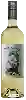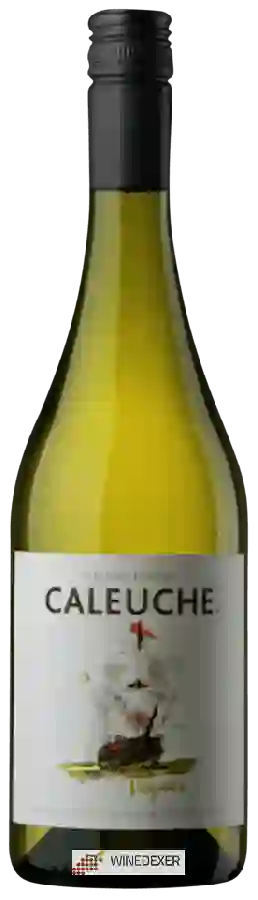
Winery CaleucheViognier
 White wine


In the mouth this white wine is a .
This wine generally goes well with pork, poultry or rich fish (salmon, tuna etc).

Taste structure of the Viognier from the Winery Caleuche
Light | Bold | |
Dry | Sweet | |
Soft | Acidic |
In the mouth the Viognier of Winery Caleuche in the region of Central Valley is a .
Food and wine pairings with Viognier
Pairings that work perfectly with Viognier



Original food and wine pairings with Viognier

The Viognier of Winery Caleuche matches generally quite well with dishes of pork, rich fish (salmon, tuna etc) or spicy food such as recipes of flemish carbonnade, leek and tuna pie or shrimp in coconut milk curry.
Details and technical informations about Winery Caleuche's Viognier.
Discover the grape variety: Viognier
Opulent, heady whites, rich and silky, with intense aromas of apricot, yellow peach, mango, violet, honeysuckle and musky, honeyed notes. Discreet acidity, creamy finish. Star of Condrieu AOC and Château-Grillet AOC, co-vinified in Côte-Rôtie with Syrah (up to 20%). Widely exported to California (Central Coast), Australia (Eden Valley) and Languedoc. A Rhône variety.
Last vintages of this wine
The best vintages of Viognier from Winery Caleuche are 0, 2020
Informations about the Winery Caleuche
The Winery Caleuche is one of of the world's greatest estates. It offers 14 wines for sale in the of Central Valley to come and discover on site or to buy online.

The wine region of Central Valley
Heart of modern Chilean wine: structured, sunny reds, dense, blackcurranty Cabernet Sauvignon from Maipo (Chilean cradle of the grape), signature Carménère with notes of ripe pepper, black fruit and sweet spices from Colchagua, supple Merlot and deep Syrah. Round Chardonnay whites and lively, sharp Sauvignon. Mediterranean climate, 400 km between Andes and Pacific. Star sub-regions: Maipo, Cachapoal, Colchagua, Curicó, Maule.
The word of the wine: Olfaction
Perception of odours and aromas by the olfactory bulb. Retroolfaction is the same phenomenon inside the mouth via the retronasal route.