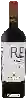
Winery CaleucheReserve Syrah
 Red wine
In the mouth this red wine is a powerful.
This wine generally goes well with poultry, beef or game (deer, venison).

Taste structure of the Reserve Syrah from the Winery Caleuche
Light | Bold | |
Smooth | Tannic | |
Dry | Sweet | |
Soft | Acidic |
In the mouth the Reserve Syrah of Winery Caleuche in the region of Central Valley is a powerful.
Food and wine pairings with Reserve Syrah
Pairings that work perfectly with Reserve Syrah



Original food and wine pairings with Reserve Syrah

The Reserve Syrah of Winery Caleuche matches generally quite well with dishes of beef, lamb or game (deer, venison) such as recipes of oxtail and carrot stew, shoulder of lamb in a crust or watercress salad with vitamins.
Details and technical informations about Winery Caleuche's Reserve Syrah.
Discover the grape variety: Vidoc
Colourful, fruity reds with a deep ruby colour, supple tannins and a full palate with preserved acidity, offering aromas of red and black fruits and spicy notes. Productive and resistant to downy and powdery mildew. Listed in the official French vine variety catalogue, it represents the future of reduced-treatment viticulture and features in organic blends. French black hybrid variety created in 2000 by INRA in the Resdur1 series (same parents as Artaban).
Informations about the Winery Caleuche
The Winery Caleuche is one of of the world's greatest estates. It offers 14 wines for sale in the of Maule Valley to come and discover on site or to buy online.

The wine region of Maule Valley
Historic cradle of Chilean viticulture (16th century). Quality revival around old-vine Carignan (70+ years): dense, deep reds with notes of blackberry, candied plum, spices and fine tannins, a unique expression. Sturdy Cabernet Sauvignon, supple Carménère (ripe pepper, black fruits), juicy Côt (Malbec), round Merlot. Some sharp Sauvignon Blanc.
The wine region of Central Valley
Heart of modern Chilean wine: structured, sunny reds, dense, blackcurranty Cabernet Sauvignon from Maipo (Chilean cradle of the grape), signature Carménère with notes of ripe pepper, black fruit and sweet spices from Colchagua, supple Merlot and deep Syrah. Round Chardonnay whites and lively, sharp Sauvignon. Mediterranean climate, 400 km between Andes and Pacific. Star sub-regions: Maipo, Cachapoal, Colchagua, Curicó, Maule.
The word of the wine: Paille (wine of)
A sweet wine obtained by passerillage after harvesting bunches of grapes placed on racks or hung in well-ventilated premises.