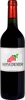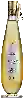
Winery CabarenaMontepulciano - Cabernet
 wine
wine
This wine generally goes well with
The Montepulciano - Cabernet of the Winery Cabarena is in the top 0 of wines of Marche.
Details and technical informations about Winery Cabarena's Montepulciano - Cabernet.
Discover the grape variety: Chenanson
Chenanson noir is a grape variety that originated in France (Languedoc). It produces a variety of grape specially used for wine making. It is rare to find this grape to eat on our tables. This variety of grape is characterized by large bunches and small grapes. Chenanson noir can be found in several vineyards: South-West, Cognac, Bordeaux, Languedoc & Roussillon, Provence & Corsica, Rhone Valley, Loire Valley, Savoie & Bugey, Beaujolais.
Informations about the Winery Cabarena
The Winery Cabarena is one of of the world's greatest estates. It offers 2 wines for sale in the of Marche to come and discover on site or to buy online.

The wine region of Marche
Marche (or Le Marche; pronounced Mar-kay) is a region in eastern CentralItaly. It is most associated with white wines made from Trebbiano and Verdicchio grapes. Marche occupies a roughly triangular area. Its longer sides are formed by the Apennine Mountains to the west and the Adriatic Sea to the east.
The word of the wine: Decanting
A sommelier uses a decanter to separate the clear wine from the solid parts in a bottle.