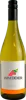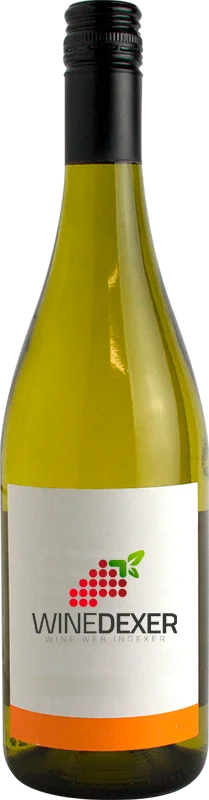
Winery Byron & HaroldTandem Sauvignon Blanc - Sémillon
 White wine
In the mouth this white wine is a with a nice freshness.
This wine generally goes well with vegetarian, shellfish or goat cheese.

Taste structure of the Tandem Sauvignon Blanc - Sémillon from the Winery Byron & Harold
Light | Bold | |
Dry | Sweet | |
Soft | Acidic |
In the mouth the Tandem Sauvignon Blanc - Sémillon of Winery Byron & Harold in the region of Australie de l'Ouest is a with a nice freshness.
Food and wine pairings with Tandem Sauvignon Blanc - Sémillon
Pairings that work perfectly with Tandem Sauvignon Blanc - Sémillon


Original food and wine pairings with Tandem Sauvignon Blanc - Sémillon
The Tandem Sauvignon Blanc - Sémillon of Winery Byron & Harold matches generally quite well with dishes of shellfish, vegetarian or goat cheese such as recipes of shrimp with cream and fettuccine, quiche with bacon and gruyère cheese or tuna, sun-dried tomato and goat cheese cake.
Details and technical informations about Winery Byron & Harold's Tandem Sauvignon Blanc - Sémillon.
Discover the grape variety: Mireille
Simple, fresh dry whites with a pale golden robe, a supple palate with moderate acidity, and undemonstrative aromas of citrus and white flowers. Discreet southern rustic profile. Nearly extinct and preserved in INRAE varietal collections for its heritage value, a witness to the pre-phylloxera ampelographic diversity of Provençal vineyards. Rare French white variety, once grown in Provence.
Informations about the Winery Byron & Harold
The Winery Byron & Harold is one of of the world's great estates. It offers 82 wines for sale in the of Australie de l'Ouest to come and discover on site or to buy online.

The wine region of Australie de l'Ouest
Australian premium on Margaret River. Signature Bordeaux Cabernet-Merlot blends in red: deep and refined with notes of ripe blackcurrant, eucalyptus, cedar and graphite, firm tannins and great ageing, often compared to Médoc. Chardonnay rated Australia's best: taut, saline and mineral (lemon, hazelnut, brioche). Lively Sauvignon-Sémillon (citrus, cut grass).
The word of the wine: Cuvée
Often followed by a name that allows for recognition and identification, the word "cuvée" designates a specific wine within the production of a winemaker. This wine is characterized by a specific grape variety, a type of maturation and an organoleptic profile. All the vintages of a domain constitute a range.