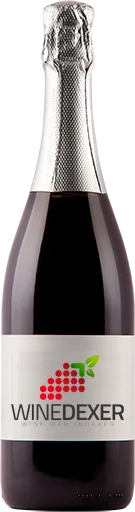
Winery Bussia SopranaMoscato d'Aasti
 Sparkling wine



In the mouth this sparkling wine is a .
This wine generally goes well with fruity desserts and aperitif.

Taste structure of the Moscato d'Aasti from the Winery Bussia Soprana
Light | Bold | |
Soft | Acidic | |
Gentle | Fizzy |
In the mouth the Moscato d'Aasti of Winery Bussia Soprana in the region of Piedmont is a .
Food and wine pairings with Moscato d'Aasti
Pairings that work perfectly with Moscato d'Aasti


Original food and wine pairings with Moscato d'Aasti
The Moscato d'Aasti of Winery Bussia Soprana matches generally quite well with dishes of fruity desserts or aperitif such as recipes of grandma's cherry clafoutis or bruschetta with mozzarella.
Details and technical informations about Winery Bussia Soprana's Moscato d'Aasti.
Discover the grape variety: Bia blanc
Simple, fresh dry whites with a pale golden robe, supple palate with moderate acidity, showing understated citrus and white flower aromas. Discreet rustic profile. Preserved in a few ampelographic collections for its heritage value, it belongs to the ancient varieties whose commercial spread has nearly vanished, studied for their genetic interest. Rare white variety, little documented, grown in confidential quantities.
Last vintages of this wine
The best vintages of Moscato d'Aasti from Winery Bussia Soprana are 0
Informations about the Winery Bussia Soprana
The Winery Bussia Soprana is one of of the world's great estates. It offers 25 wines for sale in the of Moscato d'Asti to come and discover on site or to buy online.

The wine region of Moscato d'Asti
Piedmontese DOCG of the Langhe and Monferrato, the Italian festive wine par excellence. Signature Moscato Bianco (white Muscat à petits grains): a lightly sparkling sweet white (~5. 5% alcohol, 1 bar) with intense signature notes of white peach, fresh apricot, orange blossom, sage, honey and muscaty grape, a fine bubble and lively sugar strung by a crisp acidity — light and delicate. Asti method with interrupted fermentation.
The wine region of Piedmont
Kingdom of Nebbiolo: Barolo and Barbaresco DOCG, long-ageing reds with firm tannins and lively acidity, complex aromas of withered rose, sour cherry, tar, truffle and undergrowth. More accessible, tangy Barbera on red fruit, supple, crisp Dolcetto. Sweet, floral sparkling Moscato d'Asti, mineral, lemony Gavi (Cortese) white, round, almondy Arneis from Roero. 50,000 ha across the Langhe, Roero and Monferrato, UNESCO.
The word of the wine: Musky
Said of an odor reminiscent of musk.