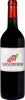
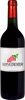
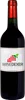
Winery Burnside RoadCabernet Sauvignon
 wine
wine
This wine generally goes well with
The Cabernet Sauvignon of the Winery Burnside Road is in the top 0 of wines of Dry Creek Valley.

Details and technical informations about Winery Burnside Road's Cabernet Sauvignon.
Discover the grape variety: Amaral
Light, acidic reds best drunk young, with a sustained ruby robe, silky tannins and a lively palate showing fresh red fruits (cherry, raspberry), inky notes and a herbaceous hint. Crisp and refreshing. Often blended with Vinhão and Espadeiro, contributing to the bright profile of Vinho Verde tinto DOC. Native Portuguese black grape grown mainly in the Vinho Verde region of north-west Portugal.
Informations about the Winery Burnside Road
The Winery Burnside Road is one of of the world's greatest estates. It offers 8 wines for sale in the of Dry Creek Valley to come and discover on site or to buy online.

The wine region of Dry Creek Valley
Mythical terroir of Californian Zinfandel on pre-Prohibition old vines: intense, spicy reds with aromas of candied blackberry, black plum, pepper and leather, ample structure and melted tannins. Signature Sauvignon Blanc as white king with herbaceous notes and bright citrus, dazzling acidity. Also Cabernet Sauvignon, Merlot and Rhône grapes. Small Sonoma AVA (~9,000 ha, 70+ wineries), warm days and cool evenings ventilated from the coast, ideal ripeness-acidity balance.
The wine region of California
Powerful, sunny reds: dense Napa Cabernet Sauvignon (blackcurrant, chocolate, tobacco, ample tannins), spicy, jammy Zinfandel from the Sierra Foothills, silky red-fruited Pinot Noir on the cool coast (Sonoma, Russian River, Central Coast). Opulent, buttery Chardonnay, notes of yellow fruit and vanilla. Varied climate, from the hot interior to the Pacific-cooled coast. 80% of US production, 139 AVAs including Napa (1st AVA, 1981).
The word of the wine: Traditional method
Also known as the Champagne method, this is the elaboration of sparkling wines according to the second fermentation method in the bottle.