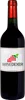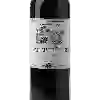
Winery Bruno Denis Patrick MatrayDu Bourg Fleurie
 Red wine


In the mouth this red wine is a with a nice freshness.
This wine generally goes well with pork, poultry or veal.
Taste structure of the Du Bourg Fleurie from the Winery Bruno Denis Patrick Matray
Light | Bold | |
Smooth | Tannic | |
Dry | Sweet | |
Soft | Acidic |
In the mouth the Du Bourg Fleurie of Winery Bruno Denis Patrick Matray in the region of Beaujolais is a with a nice freshness.
Food and wine pairings with Du Bourg Fleurie
Pairings that work perfectly with Du Bourg Fleurie



Original food and wine pairings with Du Bourg Fleurie

The Du Bourg Fleurie of Winery Bruno Denis Patrick Matray matches generally quite well with dishes of pasta, veal or pork such as recipes of fettuccine with cream and cheese, axoa from espelette ( 22nd meeting ) or melt-in-the-mouth pork tenderloin casserole.
Details and technical informations about Winery Bruno Denis Patrick Matray's Du Bourg Fleurie.
Discover the grape variety: Siegerrebe
An intraspecific cross between the Madeleine angevine and the Gewurztraminer obtained in 1929 by Georg Scheu at the Alzey testing station (Germany). Almost unknown in France, it can be found in Germany, Denmark, the Netherlands, Belgium, Sweden, Switzerland, England, the United States, Canada, etc.
Informations about the Winery Bruno Denis Patrick Matray
The Winery Bruno Denis Patrick Matray is one of of the world's greatest estates. It offers 7 wines for sale in the of Beaujolais to come and discover on site or to buy online.

The wine region of Beaujolais
Beaujolais is an important wine region in eastern France, famous for its vibrant, Fruity red wines made from Gamay. It is located immediately South of Burgundy, of which it is sometimes considered a Part, although it is in the administrative region of Rhône. The extensive plantings of Gamay in this region make Beaujolais one of the few regions in the world that is so concentrated on a single Grape variety. Pinot Noir is used in small quantities in red and rosé wines, but in the name of regional identity, it is being phased out and will only be allowed until the 2015 harvest.
The word of the wine: Phenolic ripeness
A distinction is made between the ripeness of sugars and acids and the ripeness of tannins and other compounds such as anthocyanins and tannins, which will bring structure and colour. Grapes can be measured at 13° potential without having reached this phenolic maturity. Vinified at this stage, they will give hard, astringent wines, without charm.