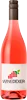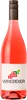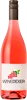
Winery Broken BackShiraz Rosé
 Pink wine
This wine generally goes well with beef, lamb or mature and hard cheese.
Food and wine pairings with Shiraz Rosé
Pairings that work perfectly with Shiraz Rosé



Original food and wine pairings with Shiraz Rosé

The Shiraz Rosé of Winery Broken Back matches generally quite well with dishes of beef, lamb or spicy food such as recipes of braciola (southern italy), daniel's algerian couscous or thai beef wok.
Details and technical informations about Winery Broken Back's Shiraz Rosé.
Discover the grape variety: Kyoho
Tetraploid variety, of Japanese origin, which would have been obtained in 1939 by Oinoue by crossing the ishinara wase - mutation of campbell early - by the centennial seedless. In Japan, Kyoho is a very important cultivar. It is also found in South Korea, in the Republic of China (Taiwan), in the United States (California), in Chile, in Brazil, in Australia, etc.
Informations about the Winery Broken Back
The Winery Broken Back is one of of the world's greatest estates. It offers 3 wines for sale in the of Australie du Sud-Est to come and discover on site or to buy online.

The wine region of Australie du Sud-Est
South East Australia is a geographical indication (GI) covering the entire south-eastern third of Australia. The western boundary of this area extends 2,000 kilometres (1,250 miles) across the Australian continent from the Pacific coast of Queensland to the Southern Ocean coast of South Australia. This vast wine 'super zone' effectively encompasses all the major Australian wine regions outside Western Australia. Rainforest, mountain ranges, scrubland, desert and Dry riverbeds occupy the majority of the land in the South East Australian area.
The word of the wine: Sommelier
Person working in a restaurant and responsible for the wine service. The head sommelier is responsible for putting together the wine list, managing the sommelier brigade, and ensuring the sale of wines according to the dishes (food and wine pairing).