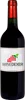
Winery The Bridge of HopePinotage
 wine
wine
This wine generally goes well with
The Pinotage of the Winery The Bridge of Hope is in the top 0 of wines of Wellington.
Details and technical informations about Winery The Bridge of Hope's Pinotage.
Discover the grape variety: Feunate
Feunate noir is a grape variety that originated in France (Drôme). It produces a variety of grape specially used for wine making. It is rare to find this grape to eat on our tables. The Feunate noir can be found cultivated in these vineyards: South-West, Cognac, Bordeaux, Provence & Corsica, Rhone Valley.
Last vintages of this wine


The best vintages of Pinotage from Winery The Bridge of Hope are 2018, 0
Informations about the Winery The Bridge of Hope
The Winery The Bridge of Hope is one of of the world's greatest estates. It offers 6 wines for sale in the of Wellington to come and discover on site or to buy online.

The wine region of Wellington
The wine region of Wellington is located in the region of Coastal Region of Western Cape of South Africa. Wineries and vineyards like the Domaine Andreas or the Domaine Diemersfontein produce mainly wines red, white and pink. The most planted grape varieties in the region of Wellington are Cabernet-Sauvignon, Merlot and Chenin blanc, they are then used in wines in blends or as a single variety. On the nose of Wellington often reveals types of flavors of plum, honey or nutmeg and sometimes also flavors of mushroom, rubber or cocoa.
The wine region of Western Cape
The Western Cape is home to the vast majority of the South African wine industry, and the country's two most famous wine regions, Stellenbosch and Paarl. The city of Cape Town serves as the epicenter of the Cape Winelands, a mountainous, biologically diverse area in the south-western corner of the African continent. A wide variety of wines are produced here. Wines from the Shiraz and Pinotage">Pinotage grape varieties can be fresh and juicy or Full-bodied and gutsy.
The word of the wine: Maceration
Prolonged contact and exchange between the juice and the grape solids, especially the skin. Not to be confused with the time of fermentation, which follows maceration. The juice becomes loaded with colouring matter and tannins, and acquires aromas. For a rosé, the maceration is short so that the colour does not "rise" too much. For white wines too, a "pellicular maceration" can be practised, which allows the wine to acquire more fat.