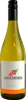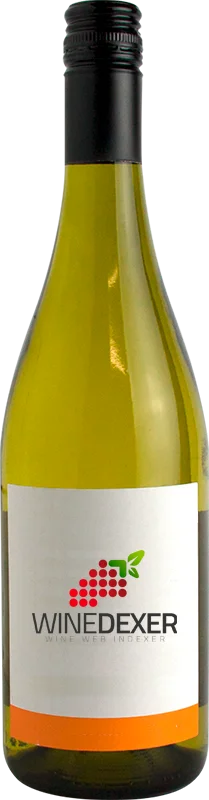
Maison BoueyChateau Le Pin Sacriste Saint-Croix-du-Mont
 White wine
This wine generally goes well with pork, rich fish (salmon, tuna etc) or shellfish.
Food and wine pairings with Chateau Le Pin Sacriste Saint-Croix-du-Mont
Pairings that work perfectly with Chateau Le Pin Sacriste Saint-Croix-du-Mont



Original food and wine pairings with Chateau Le Pin Sacriste Saint-Croix-du-Mont

The Chateau Le Pin Sacriste Saint-Croix-du-Mont of Maison Bouey matches generally quite well with dishes of pork, vegetarian or poultry such as recipes of peasant minestrone, leek, goat cheese and bacon quiche or spinach and goat cheese quiche.
Details and technical informations about Maison Bouey's Chateau Le Pin Sacriste Saint-Croix-du-Mont.
Discover the grape variety: Avana
Very old grape variety cultivated in northern Italy in the Piedmont region. It would have been introduced in Savoy at the beginning of the 17th century. An A.D.N. study, dating from 2011, shows that Hibou noir and Avana are one and the same variety. It should also be noted that Amigne is its half-sister, Rèze its grandmother and Rouge du Pays (a variety from the Swiss Valais) its grandfather.
Informations about the Maison Bouey
The Maison Bouey is one of wineries to follow in Bordeaux.. It offers 509 wines for sale in the of Bordeaux to come and discover on site or to buy online.

The wine region of Bordeaux
Bordeaux, in southwestern France, is one of the most famous, prestigious and prolific wine regions in the world. The majority of Bordeaux wines (nearly 90% of the production Volume) are the Dry, medium and Full-bodied red Bordeaux blends for which it is famous. The finest (and most expensive) are the wines of the great châteaux of Haut-Médoc and the right bank appellations of Saint-Émilion and Pomerol. The former focuses (at the highest level) on Cabernet Sauvignon, the latter on Merlot.
The word of the wine: Ampélographie
Study of the vine, and more particularly the grape varieties.