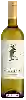
Winery Bouchard Aîné & FilsSyrah Pays d'Oc Sélection Prestige
 Red wine
This wine generally goes well with beef, lamb or mature and hard cheese.
Food and wine pairings with Syrah Pays d'Oc Sélection Prestige
Pairings that work perfectly with Syrah Pays d'Oc Sélection Prestige



Original food and wine pairings with Syrah Pays d'Oc Sélection Prestige

The Syrah Pays d'Oc Sélection Prestige of Winery Bouchard Aîné & Fils matches generally quite well with dishes of beef, lamb or spicy food such as recipes of simple baked roast beef, tomatoes, zucchini, potatoes stuffed moroccan style with... or chicken tagine with olives and potatoes.
Details and technical informations about Winery Bouchard Aîné & Fils's Syrah Pays d'Oc Sélection Prestige.
Discover the grape variety: Phoenix
Interspecific cross between the white bacchus and the white Villard obtained in 1964 by Gerhardt Erich Alleweldt (1927/2005) at the Geilweilerhof Station in Siebeldingen, Germany. It should be noted that the sirius and the staufer were also born from these same parents. Phoenix is little known even in France, although it is registered in the Official Catalogue of varieties of table grapes on the A2 list.
Informations about the Winery Bouchard Aîné & Fils
The Winery Bouchard Aîné & Fils is one of wineries to follow in Pays d'Oc.. It offers 289 wines for sale in the of Pays d'Oc to come and discover on site or to buy online.

The wine region of Pays d'Oc
Pays d'Oc is the PGI for red, white and rosé wines that are produced over a wide area of the southern coast of France. The PGI catchment area corresponds roughly to the Languedoc-roussillon">Languedoc-Roussillon wine region, one of the largest wine regions in France. The area covers all wines that are not produced under the strict laws that govern AOC-level appellations in the regions: among them, Corbières, Minervois and the Languedoc appellation itself. The Pays d'Oc PGI is arguably the most important in France, producing the majority of the country's PGI wines.
The word of the wine: Sorting
Action which consists in removing the bad grains, not ripe or affected by the rot. We often use vibrating sorting tables which, by shaking, make the impurities fall to the ground. In the case of sweet wines, we speak of harvesting by successive selections, in several passages, to select the very ripe grapes each time.