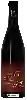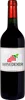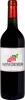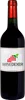
Château BoucarutChapelle de Boucarut Syrah
 Red wine
This wine generally goes well with beef, veal or pasta.

Food and wine pairings with Chapelle de Boucarut Syrah
Pairings that work perfectly with Chapelle de Boucarut Syrah



Original food and wine pairings with Chapelle de Boucarut Syrah
The Chapelle de Boucarut Syrah of Château Boucarut matches generally quite well with dishes of beef, pasta or veal such as recipes of family potluck, elodie's pasta risotto or duck breast with pepper sauce.
Details and technical informations about Château Boucarut's Chapelle de Boucarut Syrah.
Discover the grape variety: Roussin de Morgex
Lively, mineral whites with a pale golden hue, an airy and tense palate with preserved acidity, and signature aromas of citrus (lemon), alpine flowers, green apple and fresh mineral notes. High-altitude tension. Preserved for its heritage value, it reflects the adaptation of grape varieties to extreme-altitude vineyards in the Aosta Valley. Rare white grape from the Aosta Valley, grown at very high altitude around Morgex and La Salle.
Informations about the Château Boucarut
The Château Boucarut is one of of the world's great estates. It offers 20 wines for sale in the of Coteaux du Pont du Gard to come and discover on site or to buy online.

The wine region of Coteaux du Pont du Gard
Mediterranean Gard IGP (yellow limestone Pont du Gard, white garrigue soils, sunny and dry): Syrah, Grenache, Mourvèdre and Carignan signatures as red kings — dark robes, powerful and warming with red fruits and present tannins. Roussanne and Viognier in floral and fruity whites, elegant and ample to drink young. Cabernet Sauvignon and Chardonnay on deep soils, fresh rosés.
The wine region of Pays d'Oc
The single-grape IGP par excellence: modern, accessible, frank and fruity wines, the popular signature of the Midi. Spicy Syrah reds (pepper, blackberry), round Merlot, structured Cabernet, generous Grenache, supple Cinsault. Crisp, tangy rosés. Opulent Chardonnay whites, lively Sauvignon, floral, apricoty Viognier.
The word of the wine: Chaptalization
The addition of sugar at the time of fermentation of the must, an ancient practice, but theorized by Jean-Antoine Chaptal at the dawn of the 19th century. The sugar is transformed into alcohol and allows the natural degree of the wine to be raised in a weak or cold year, or - more questionably - when the winegrower has a harvest that is too large to obtain good maturity.