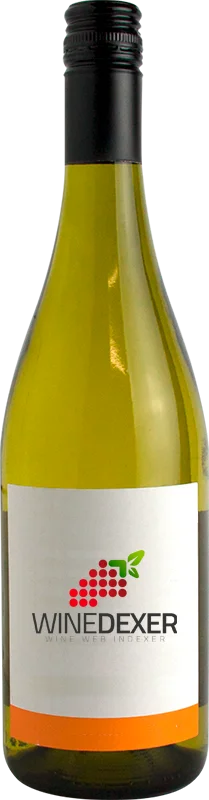
Winery BösGrauburgunder Kabinett Trocken
 White wine
In the mouth this white wine is a .
This wine generally goes well with pork, cured meat or mushrooms.

Taste structure of the Grauburgunder Kabinett Trocken from the Winery Bös
Light | Bold | |
Dry | Sweet | |
Soft | Acidic |
In the mouth the Grauburgunder Kabinett Trocken of Winery Bös in the region of Baden is a .
Food and wine pairings with Grauburgunder Kabinett Trocken
Pairings that work perfectly with Grauburgunder Kabinett Trocken


Original food and wine pairings with Grauburgunder Kabinett Trocken

The Grauburgunder Kabinett Trocken of Winery Bös matches generally quite well with dishes of pork, spicy food or mushrooms such as recipes of ham and cheese macaroni gratin, empanadas de carne (argentina) or bulgogi.
Details and technical informations about Winery Bös's Grauburgunder Kabinett Trocken.
Discover the grape variety: Siria
Fresh and aromatic whites to drink young, with a pale golden hue, an airy palate with preserved acidity and signature aromas of citrus (lemon, grapefruit), green apple, white flowers and fresh herbal notes. Used in many Portuguese white blends, grown in the Dão DOC, Beira Interior DOC and Douro DOC. Autochthonous white Portuguese variety, one of the most planted in Portugal, also known as Roupeiro and Códega.
Informations about the Winery Bös
The Winery Bös is one of of the world's greatest estates. It offers 25 wines for sale in the of Baden to come and discover on site or to buy online.

The wine region of Baden
German capital of Pinot Noir (Spätburgunder): silky, fine reds with notes of red fruits, cherry, undergrowth and sweet spices, melted tannins. Round Grauburgunder (Pinot Gris), lively Weissburgunder, supple Müller-Thurgau, mineral Riesling. Germany's 3rd region (15,000 ha) in Baden-Württemberg facing Alsace, one of the country's warmest climates, volcanic soils at the Kaiserstuhl. Cradle of modern great German reds, elegant and fine.
The word of the wine: Tartar (deposit)
White, chalky deposits that occur as a result of precipitation inside bottles and are often considered by consumers as a defect. They are in fact tartaric salts formed by tartaric acid, potassium and calcium naturally present in the wine. This deposit does not alter the quality of the wine and can be eliminated by a simple decanting.









