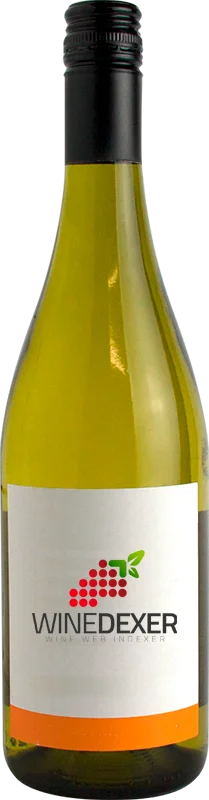
Winery Bonne TerreSaumur Champigny
 White wine


This wine generally goes well with pork, vegetarian or poultry.

Food and wine pairings with Saumur Champigny
Pairings that work perfectly with Saumur Champigny



Original food and wine pairings with Saumur Champigny

The Saumur Champigny of Winery Bonne Terre matches generally quite well with dishes of pork, rich fish (salmon, tuna etc) or vegetarian such as recipes of capellini with prosciutto, pan-fried salmon with lemon and dill sauce or salmon and goat cheese quiche.
Details and technical informations about Winery Bonne Terre's Saumur Champigny.
Discover the grape variety: Chardonnay
Whites with many faces: mineral and taut at Chablis (lemon, green apple, flint), opulent and buttery at Meursault and Puligny-Montrachet (hazelnut, brioche, yellow fruits), tense and chalky in Champagne (Blanc de Blancs). Also vinified sparkling and widely exported (Sonoma, Margaret River, Casablanca). A Burgundian variety, a cross of Pinot Noir × Gouais Blanc, half-sibling of Aligoté.
Last vintages of this wine
The best vintages of Saumur Champigny from Winery Bonne Terre are 2016, 2015
Informations about the Winery Bonne Terre
The Winery Bonne Terre is one of of the world's greatest estates. It offers 1 wines for sale in the of Haute Loire to come and discover on site or to buy online.

The wine region of Haute Loire
Auvergne vineyard on small altitude hillsides along the Allier and Loire, volcanic soils (basalt, granite). IGP Pays d'Urfé or Comtés Rhodaniens. Signature Gamay as red: fruity and fresh with red cherry, raspberry, redcurrant, violet and a volcanic mineral touch, fine tannins and refreshing palate. Fine Pinot Noir emerging.
The wine region of Loire Valley
Kingdom of lively, dry whites and fine sparklers. Mineral, taut Sauvignon Blanc (Sancerre, Pouilly-Fumé) with citrus and gunflint notes. Multiform Chenin Blanc (Vouvray, Savennières, Layon): straight dry, floral off-dry or noble sweet honey-quince. Saline, iodised Muscadet (Melon B.
The word of the wine: Consistency
In tasting, it is the equivalent of chewing (the chewiness of a tannic red wine is also mentioned). We then speak of firmness, fluidity, softness, hardness, and why not the crunchiness of an early wine by reference to the grape.