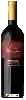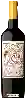
Bodega UxmalBravia Blend
 Red wine


This wine generally goes well with
Details and technical informations about Bodega Uxmal's Bravia Blend.
Discover the grape variety: Servanin
Servanin is native to the south of Savoie and the north of Isère. Its berries are short, oval and small to medium-sized. The bunches are full, cylindrical and small, some of them winged, and the bluish-black colour at the beginning turns to dark black when the grapes reach full maturity. Then, as time goes by, small green berries are gradually added to the vine. This curtain is completed by the light green of the medium-sized leaves.servanin is fertile and robust. Its only weak points are millerandage, citadels and mildew. It is less susceptible to grey rot. Although it buds early, it ripens rather late, in the second half of the year. This liqueur, which belongs to the Vin-de-Savoie, has a medium alcoholic and somewhat acidic taste. This wine is also called martelet, servagnin or serene. Unfortunately, it is noted that this variety has nowadays practically disappeared.
Last vintages of this wine

The best vintages of Bravia Blend from Bodega Uxmal are 2014, 2016, 2012, 0 and 2015.
Informations about the Bodega Uxmal
The Bodega Uxmal is one of of the world's great estates. It offers 26 wines for sale in the of Mendoza to come and discover on site or to buy online.

The wine region of Mendoza
Mendoza is by far the largest wine region in Argentina. Located on a high-altitude plateau at the edge of the Andes Mountains, the province is responsible for roughly 70 percent of the country's annual wine production. The French Grape variety Malbec has its New World home in the vineyards of Mendoza, producing red wines of great concentration and intensity. The province Lies on the western edge of Argentina, across the Andes Mountains from Chile.
The word of the wine: Sulphur
An antiseptic and antioxidant substance known since antiquity, probably already used by the Romans. But it was only in modern times that its use was rediscovered. It will allow a better conservation of the wine and thus favour its export. Sulphur also gave the 18th century winegrower the possibility of extending the maceration period without fearing that the wine would turn sour and thus go from dark rosé wines to the red wines of today. Excessive sulphur, on the other hand, kills happiness, paralysing the aromas and causing headaches.