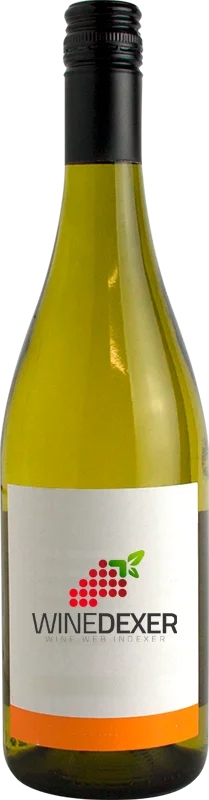
Bodega PunaTorrontes Dulce
 White wine


In the mouth this white wine is a powerful with a nice freshness.
This wine generally goes well with vegetarian, spicy food or aperitif.
Taste structure of the Torrontes Dulce from the Bodega Puna
Light | Bold | |
Dry | Sweet | |
Soft | Acidic |
In the mouth the Torrontes Dulce of Bodega Puna in the region of Salta is a powerful with a nice freshness.
Food and wine pairings with Torrontes Dulce
Pairings that work perfectly with Torrontes Dulce



Original food and wine pairings with Torrontes Dulce
The Torrontes Dulce of Bodega Puna matches generally quite well with dishes of spicy food, vegetarian or aperitif such as recipes of white beans with tomato (italy), light tuna-tomato quiche (without cream) or christmas boots in knacki.
Details and technical informations about Bodega Puna's Torrontes Dulce.
Discover the grape variety: Marquette
Direct producer hybrid, interspecific cross between MN 1094 and Ravat noir obtained in 1989 by Peter Hemstad and James Luby at the University of Minnesota Research Center (United States). Note that it is the cousin of the black frontenac and the grandson of the pinot noir. It can be found in North America, Canada, ... in France it is almost unknown.
Last vintages of this wine

The best vintages of Torrontes Dulce from Bodega Puna are 0, 2019
Informations about the Bodega Puna
The Bodega Puna is one of of the world's greatest estates. It offers 10 wines for sale in the of Salta to come and discover on site or to buy online.

The wine region of Salta
Salta, in the far North of Argentina, is home to some of the world's most extreme Vineyard sites. As is the case in Catamarca to the South and Jujuy to the northwest, Salta's vineyards are often located amid mountainous terrain with some reaching altitudes of just over 3,000 meters (9840ft) above sea level. The viticultural area is mainly concentrated to Cafayate of the Calchaqui Valley. Argentina's signature Grape varieties of Torrontes and Malbec are Salta's top performers, producing Bright, intensely flavored wines.
The word of the wine: Maceration
Prolonged contact and exchange between the juice and the grape solids, especially the skin. Not to be confused with the time of fermentation, which follows maceration. The juice becomes loaded with colouring matter and tannins, and acquires aromas. For a rosé, the maceration is short so that the colour does not "rise" too much. For white wines too, a "pellicular maceration" can be practised, which allows the wine to acquire more fat.