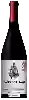
Bodega OtazuCæsar Otazu Limited Edition
 Red wine


In the mouth this red wine is a powerful with a nice freshness.
This wine generally goes well with poultry, beef or veal.
Taste structure of the Cæsar Otazu Limited Edition from the Bodega Otazu
Light | Bold | |
Smooth | Tannic | |
Dry | Sweet | |
Soft | Acidic |
In the mouth the Cæsar Otazu Limited Edition of Bodega Otazu in the region of Navarre is a powerful with a nice freshness.
Food and wine pairings with Cæsar Otazu Limited Edition
Pairings that work perfectly with Cæsar Otazu Limited Edition



Original food and wine pairings with Cæsar Otazu Limited Edition

The Cæsar Otazu Limited Edition of Bodega Otazu matches generally quite well with dishes of beef, pasta or veal such as recipes of pasta al forno (baked pasta), pasta with artichoke hearts and bacon or veal tagine with carrots.
Details and technical informations about Bodega Otazu's Cæsar Otazu Limited Edition.
Discover the grape variety: Pinot Auxerrois
Last vintages of this wine
The best vintages of Cæsar Otazu Limited Edition from Bodega Otazu are 2008, 0, 2009
Informations about the Bodega Otazu
The Bodega Otazu is one of of the world's great estates. It offers 31 wines for sale in the of Otazu to come and discover on site or to buy online.

The wine region of Otazu
The wine region of Otazu is located in the region of Navarre of Spain. Wineries and vineyards like the Domaine Bodega Otazu or the Domaine Bodega Otazu produce mainly wines red and white. The most planted grape varieties in the region of Otazu are Chardonnay, Cabernet-Sauvignon and Tempranillo, they are then used in wines in blends or as a single variety. On the nose of Otazu often reveals types of flavors of non oak, microbio or vegetal and sometimes also flavors of oak, tree fruit or spices.
The wine region of Navarre
Spanish reference for great Garnacha rosés: raspberry-pink colour, notes of crushed strawberry, cherry, citrus and white flowers, dry and gourmet palate. The emblematic grape (~70% of reds in the past), also in supple, sun-filled reds. Tempranillo on the rise in modern blends, fine spicy Graciano, Cabernet and Merlot. Fresh Chardonnay and Viura whites.
The word of the wine: VDQS
Delimited wine of superior quality. A level of appellation (today, barely 1% of French production) which constitutes the ultimate step before the accession to the AOC.